
DUPR pickleball rating is a dynamic, match-based skill score ranging roughly from 2.0 to 8.0.
If you’ve heard players talk about their number and wondered how it moves, this guide is for you. I’ve coached players through their first dupr pickleball rating to the 5.0 chase. Below, I explain how DUPR works, how to get rated fast, and how to improve in a real and ethical way. Read on to master the dupr pickleball rating and make smarter choices about matches, leagues, and training.

What is the DUPR pickleball rating?
DUPR stands for Dynamic Universal Pickleball Rating. It is a live, performance-based score that updates as you play. The scale runs roughly from 2.0 for new players to 8.0 for elite pros. Your doubles and singles performance are tracked separately, and many clubs use the number to group players.
The dupr pickleball rating focuses on who you played, what the score was, and when you played. Recent, verified matches carry more weight. Recreational games still count if both sides confirm results. Over time, your rating becomes more stable as the system gains confidence in your level.
DUPR aims to be fair across ages, regions, and formats. It compares you to a global pool. That helps with better seeding, more even games, and fewer mismatches. It also discourages sandbagging, since results against stronger foes can move you up quickly when you earn them.

How the DUPR algorithm works in plain English
Think of DUPR like a smart scoreboard that learns. It predicts the chance you should win based on all players’ ratings. Then it compares the prediction to what actually happened.
Key parts the system considers:
- Opponent strength Your change depends on how strong your foes are.
- Partner strength The system weighs your partner too, especially in doubles.
- Score and margin The exact score matters, not just win or loss.
- Recency Recent games count more than old ones.
- Verification Verified results tend to have a bit more trust.
- Reliability More matches mean the system trusts your number more.
Simple example:
- You and a partner rated 3.50 beat a 3.70/3.60 team 11–8, 11–7.
- You were not expected to win by much, or at all.
- Because the win was clear and recent, your dupr pickleball rating likely nudges up.
- If you barely lost in a close match, you might still gain a little, since the system expected you to lose.
This is why you can improve even in losses, and why scorekeeping accuracy matters. It rewards performance, not just the W–L column.
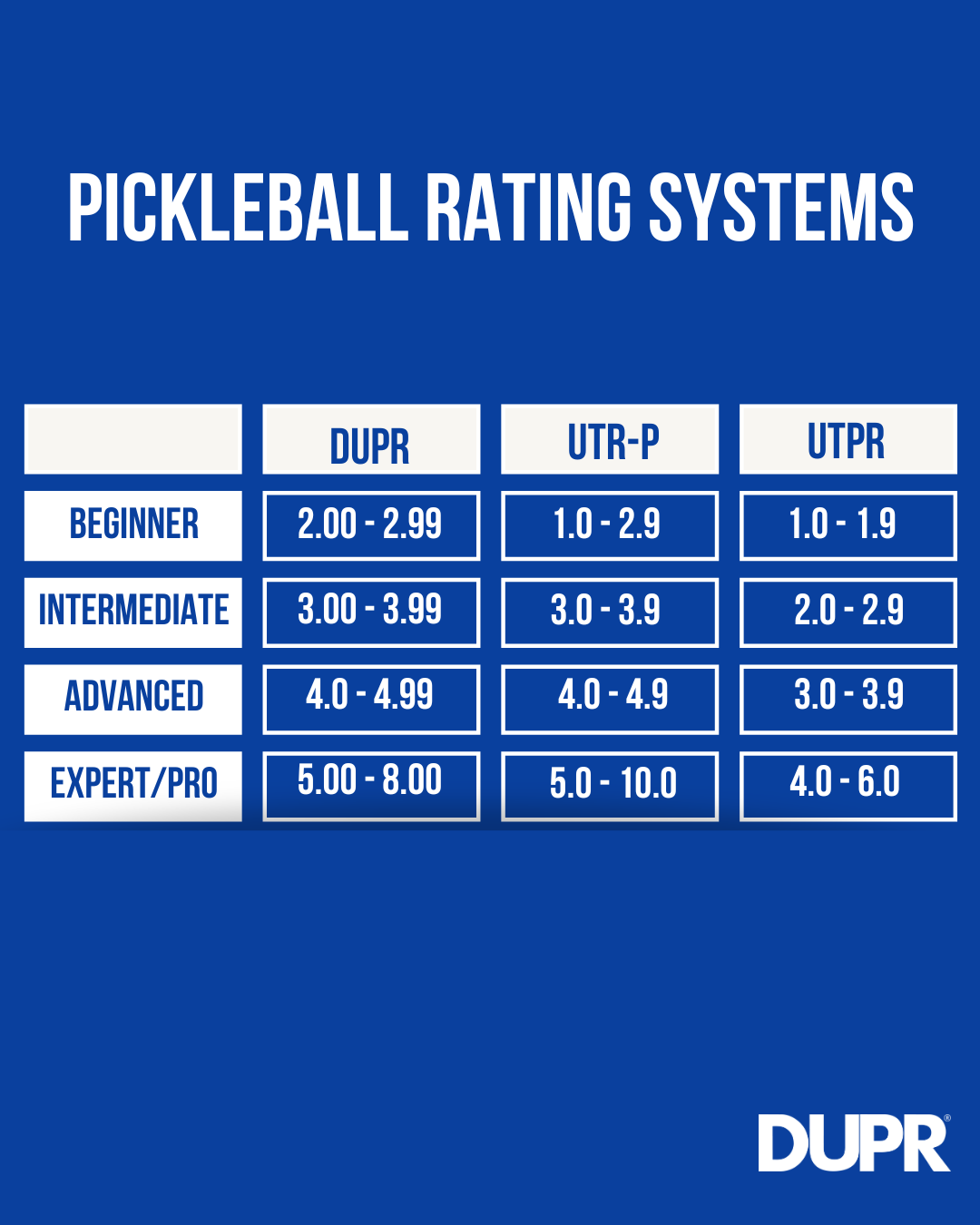
How to get your first dupr pickleball rating
You can get a dupr pickleball rating in a week or two if you plan it right. Here is the fastest path I use with new players.
Steps:
- Create a DUPR account Download the app or use the website. Fill in your profile.
- Record matches Log scores against opponents who also use DUPR. Ask them to confirm the results.
- Aim for variety Play different opponents and partners. The system learns faster with diverse data.
- Seek verified play Join a league, club ladder, or sanctioned event. These results often carry more weight.
- Play 6–10 matches quickly Front-load your first two weeks. You will see your rating settle much faster.
Pro tip from the court:
- Set a weekly rhythm. Two league nights plus one open play session is enough to build a reliable baseline.
- Always enter full, correct scores. A clean score history improves trust and reduces swings.
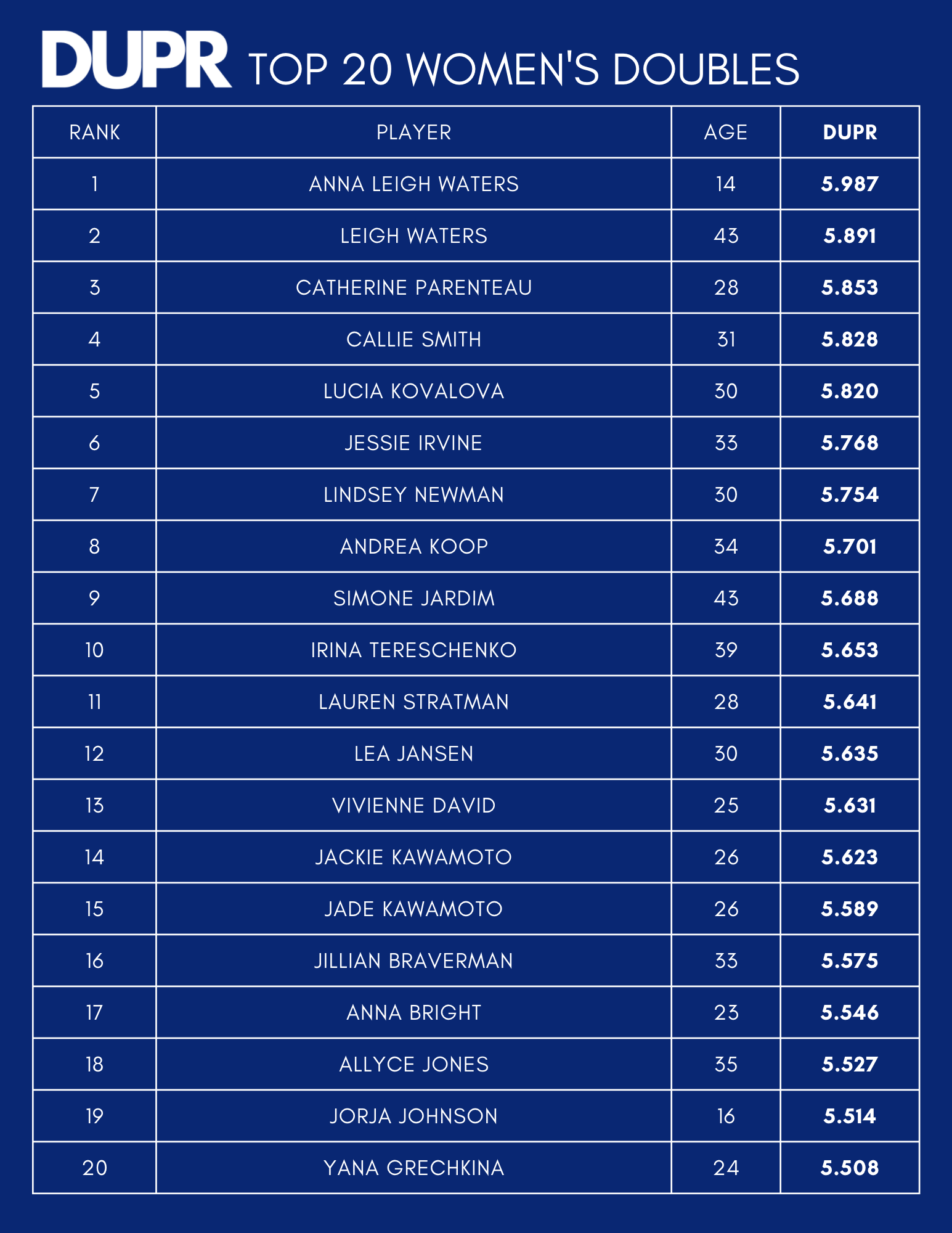
DUPR vs UTPR vs club ratings
You may hear about other systems. Here is how they differ in practice.
- DUPR pickleball rating Dynamic, open to all players, uses match scores from rec, club, and events. Updates often. Focuses on current form.
- UTPR More tied to sanctioned tournament play. Updates less often. Strong in national event contexts.
- Club or house ratings Local and informal. Useful for quick grouping. Not portable across clubs or regions.
If your goal is fair matches and broad comparability, the dupr pickleball rating is the common language. If your goal is national tournament seeding under a specific body, you may need UTPR too. Many serious players track both.

What your number means: skill bands and on-court traits
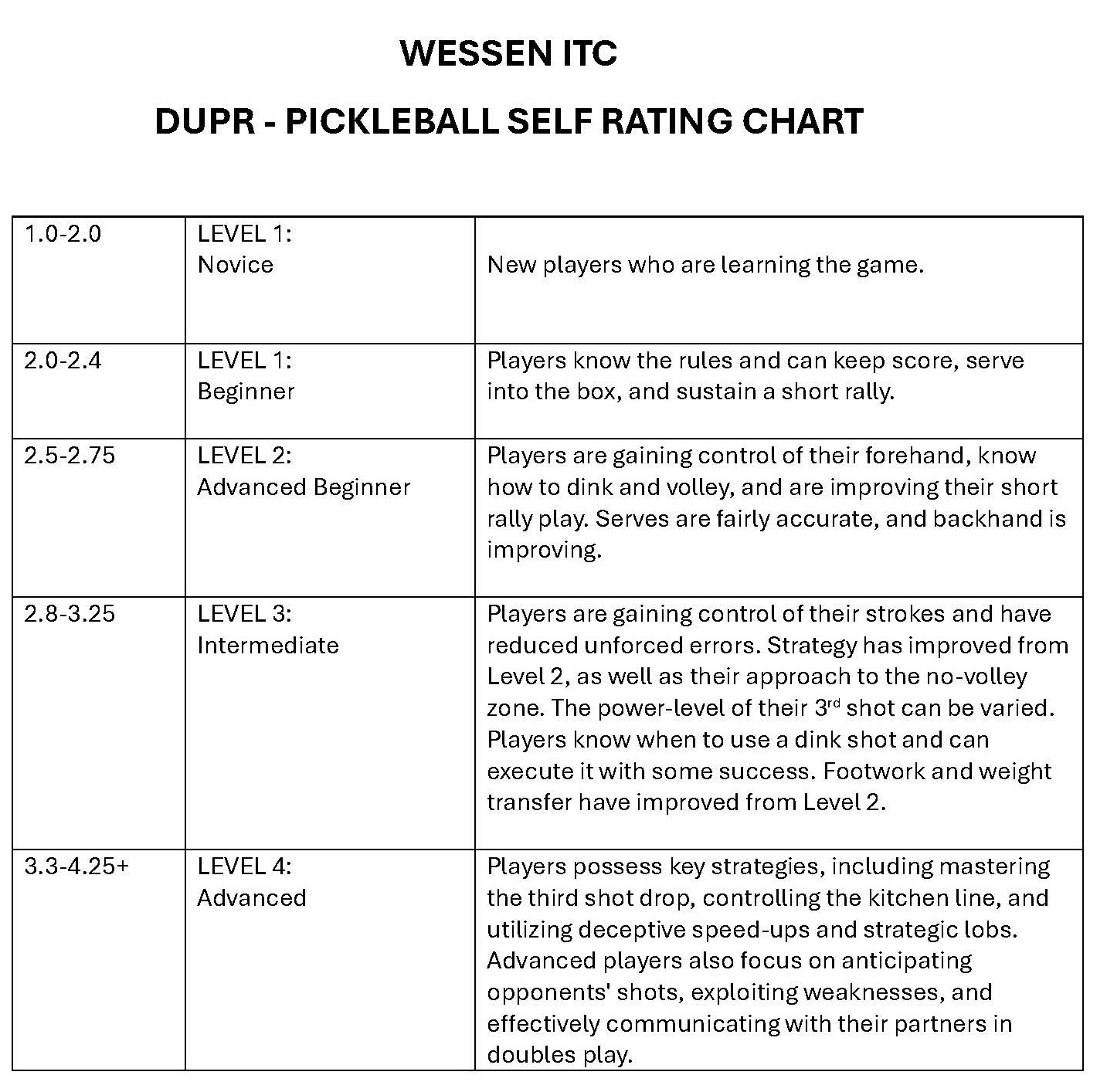
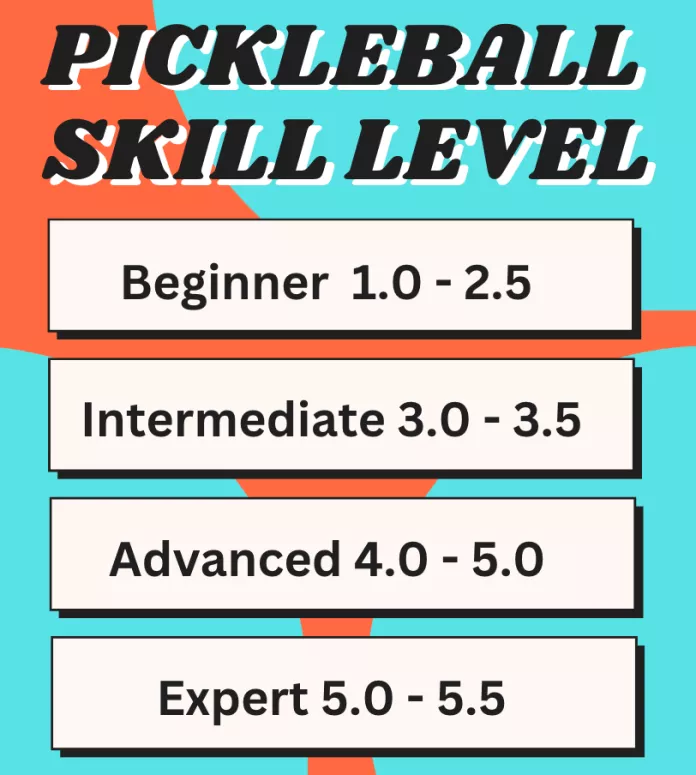
These are general bands I use with students. Your local scene may vary a little.
- 2.0–2.5 Brand new Learn rules, scoring, and basic shots. Focus on consistency.
- 3.0 Learning control Can rally, serve, and return. Starting to dink under pressure.
- 3.5 Solid rec player Dinks, resets, and third shots show up often. Fewer cheap errors.
- 4.0 Advanced Smart point building, strong transition game, and steady hands at the kitchen.
- 4.5 Elite amateur Offense from both wings, speed-ups with purpose, and defense that resets well.
- 5.0+ Top regional/pro Tour-level reads, pace control, and ruthless consistency.
Use your dupr pickleball rating as a compass. Match it to your goals. Then build skills that align with the next band up.

How to raise your dupr pickleball rating without gaming the system
A stronger rating should reflect better play. Here is how to do that in a clean way.
- Track the right reps Focus on third shot drops, resets, and dinks under stress. These win doubles.
- Choose partners wisely Play with slightly stronger partners at first to learn patterns. Mix in even matches to prove your level.
- Seek challenge Play some teams above your rating. Small wins or close losses can move your number and your game.
- Log everything Enter all scores the same day. Accuracy matters.
- Drill, then play Use a 50/50 split between drilling and live games. Improvement sticks faster this way.
- Play verified events Leagues, ladders, or tournaments give your dupr pickleball rating stronger signals.
What not to do:
- Dodging tough matches slows growth and stalls your ceiling.
- Chasing lopsided games can backfire if scorelines are thin or partners vary.
Common myths and mistakes
- Myth: Only wins matter Fact: Score and opponent strength matter a lot. You can gain in close losses.
- Myth: Self-reported games do not count They do when confirmed. Verified may weigh more, but both help.
- Myth: Playing down boosts ratings Beating weaker teams with thin margins can hurt your dupr pickleball rating.
- Mistake: Incomplete scores Always enter full set scores. Missing data reduces trust and can skew results.
- Mistake: Long gaps in play Recency matters. If you stop for months, expect more swing when you return.

Real-world examples and lessons from my coaching log
Case 1: The fast starter
- A 3.0 player logged eight matches in 10 days. Mix of rec and a small league.
- Clear wins over 3.0s, close losses to 3.5s. Their dupr pickleball rating settled at 3.34.
- Lesson: Early volume plus variety locks a realistic baseline fast.
Case 2: The steady climber
- A 3.5 focused on third shot drops and resets, 30 minutes daily, four weeks.
- Played two weekly ladders versus 3.5–4.0. Results turned from 9–11 losses to 11–8 wins.
- Lesson: Targeted drilling plus regular verified play moved them to 3.72. No gaming needed.
Case 3: The partner pivot
- A 4.0 played only down. Won often but by slim margins. Rating stalled.
- We added tougher matches weekly. One quality upset popped them to 4.15.
- Lesson: You rise faster by proving it against stronger teams.
Tools, apps, and settings to track your progress
- DUPR app Log scores, see trends, and check recent movement in your dupr pickleball rating.
- Video on phone Record 10–15 minutes per session. Review third shots and transition points.
- Simple spreadsheet Track drills, match formats, and outcomes. Look for patterns in wins and losses.
- Wearable timer or shot counter Keep drills honest. Short, timed blocks build focus without burnout.
- Local ladder or league Structured play creates consistent, verified data that the system trusts.
Set weekly goals:
- Two drill blocks on resets and thirds.
- One mixed-level open play.
- One verified ladder or league night.
- Same-day score entry to keep your dupr pickleball rating current.
Frequently Asked Questions of dupr pickleball rating
What does DUPR stand for, and what does it measure?
DUPR means Dynamic Universal Pickleball Rating. It measures your current skill using match results, opponents, partners, and scores.
How many matches do I need to get a stable rating?
Plan on 6–10 matches for a solid baseline. More diverse, recent, and verified results will tighten your number faster.
Do recreational games count toward my dupr pickleball rating?
Yes, if both sides confirm the scores in the app. Verified events may weigh more, but rec games still move your number.
Are singles and doubles ratings separate?
Yes, the system tracks performance by format. Many profiles show a singles number and a doubles-focused number.
Can I improve my rating even if I lose?
Yes. Close losses to stronger opponents can increase your rating. The score and opponent strength matter.
Why did my rating change after old matches were added?
Newly entered matches can affect the whole picture. The system updates your dupr pickleball rating based on the full set of results.
Does margin of victory matter?
Yes, the exact score helps the system judge performance. Clear wins or close losses can shape the update.
Conclusion
Your dupr pickleball rating is more than a number. It is a live snapshot of your real play, shaped by who you face, how you score, and how often you compete. Use it to set goals, choose the right matches, and target the skills that lift you to the next tier.
Start now. Create your profile, play diverse opponents, and log every score. Then drill with purpose and test yourself in verified play. If this helped, share it with your pickleball crew, subscribe for more practical guides, or drop a question in the comments.