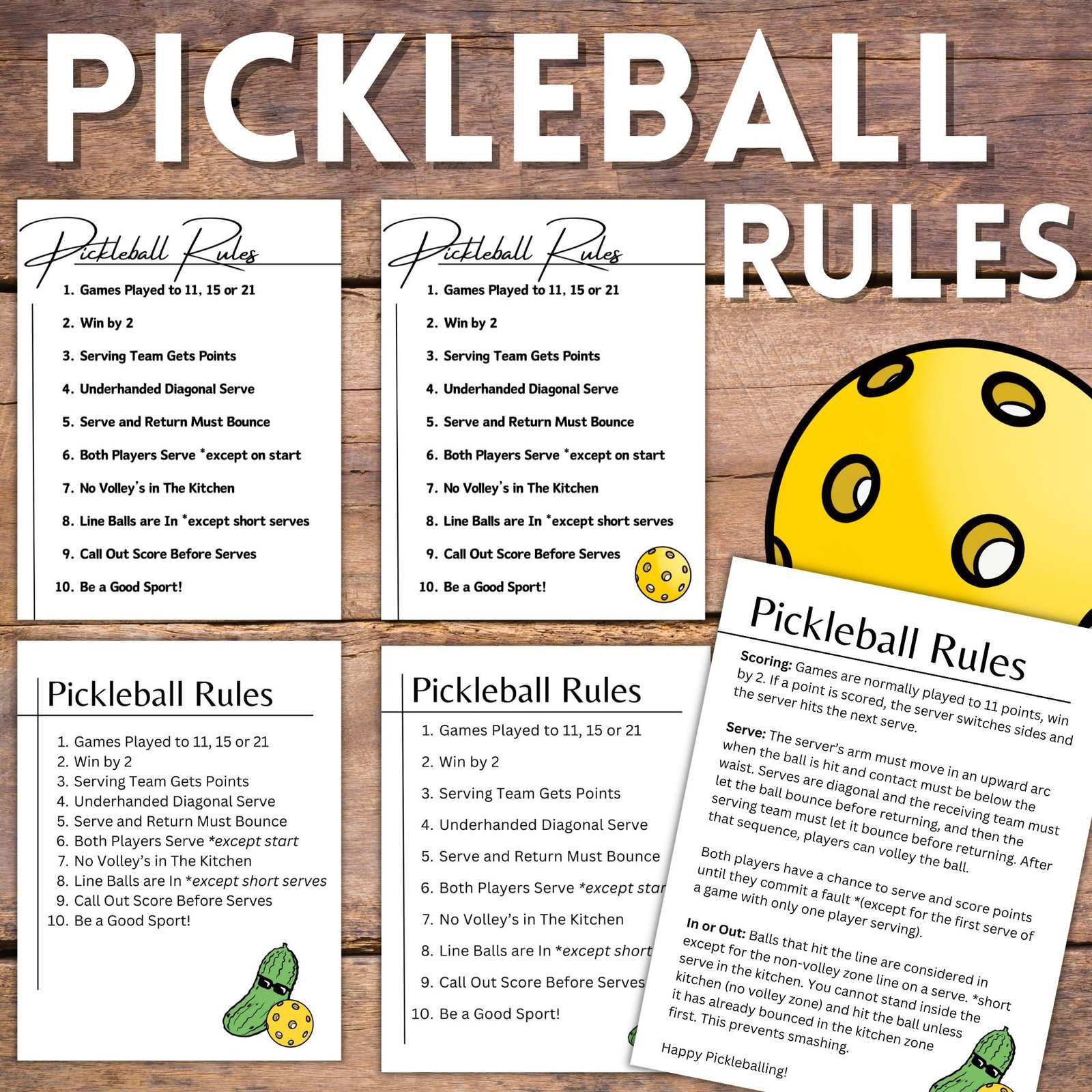
Serve underhand, diagonal; side-out scoring; call three numbers; win by two.
If you want fast, clean wins on the court, you need to master the rules for serving and scoring in pickle. I’ve coached new players, captained league teams, and learned these rules the hard way. This guide breaks down the rules for serving and scoring in pickle in simple steps, with real examples, so you can play with confidence from your first ball to match point.

The rules for serving and scoring in pickle: basics at a glance
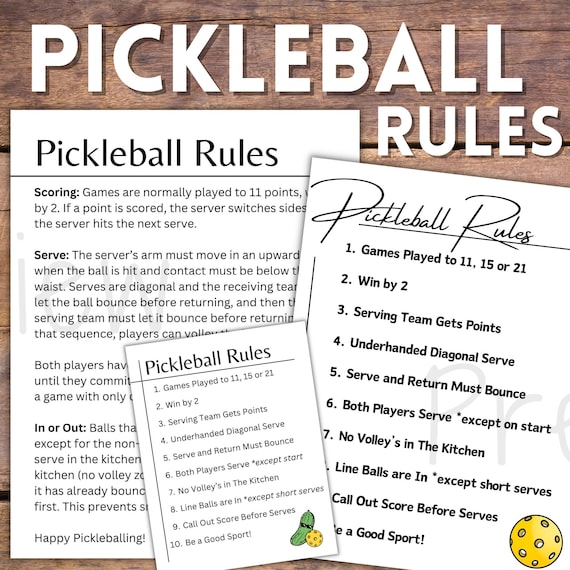
The rules for serving and scoring in pickle are simple once you see the flow. Serve underhand to the diagonal box. Let the ball and the return both bounce. Only the serving side can score under standard rules. Games are most often to 11, win by 2.
Key points you will learn in this guide:
- How to set your feet and strike a legal serve
- Why the kitchen line matters on the serve
- How to call the score the right way every time
- Doubles rotation and who serves when
- Common faults and simple fixes
I’ll use clear steps and real court stories to show how the rules for serving and scoring in pickle work in both rec play and events.
Serving rules: the foundation of every point
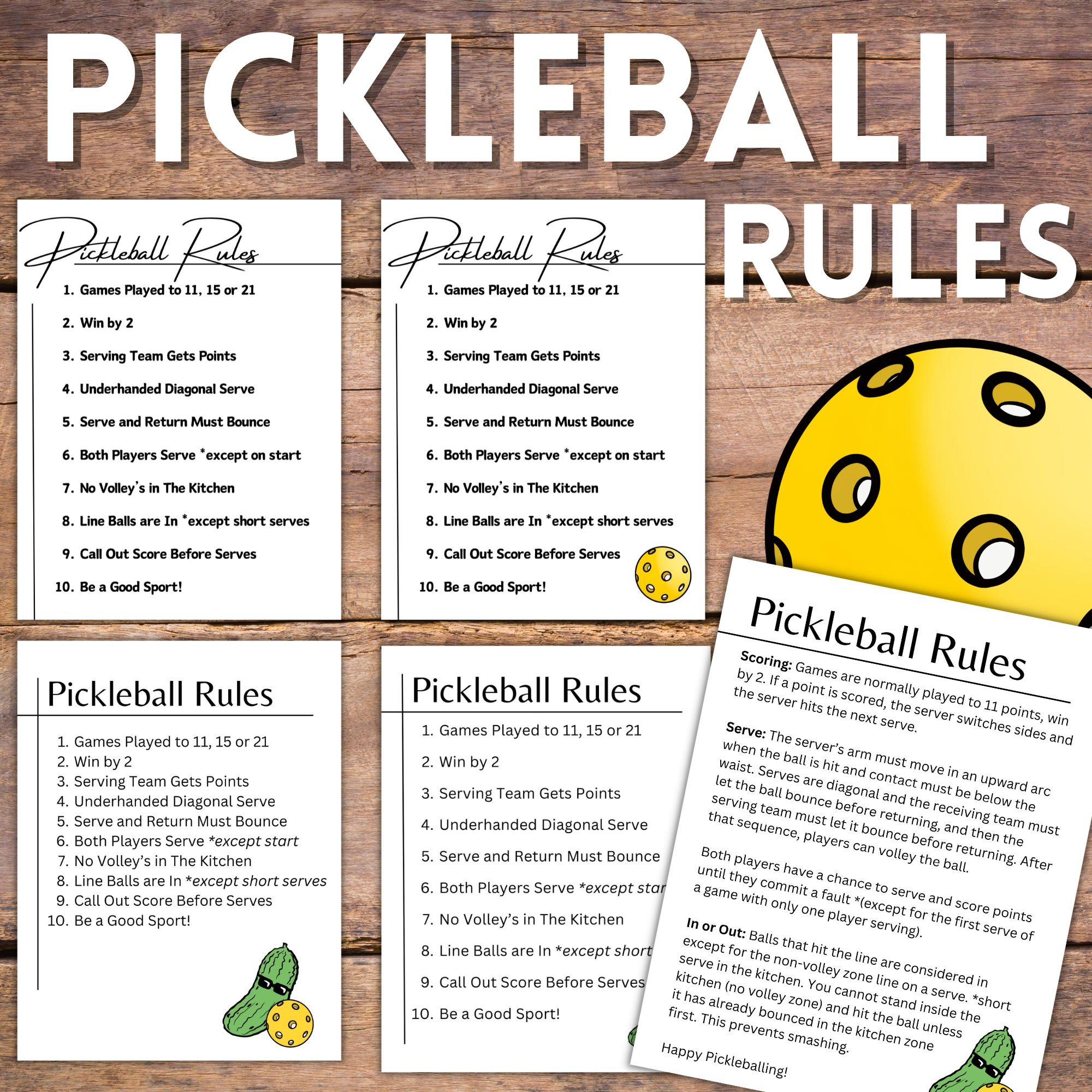
If you learn the serving rules first, the rest will click. The rules for serving and scoring in pickle start with a legal serve.
What makes a legal serve:
- Underhand motion. The paddle moves up at contact.
- Contact below your waist (navel) with the paddle head below your wrist.
- Feet behind the baseline at contact. Do not touch the line or the court.
- Serve to the diagonal service box. Clear the non-volley zone in the air.
Two serve styles you can use:
- Standard serve. Drop or release the ball and hit it out of the air while it falls.
- Drop serve. Let the ball drop from your hand. Hit it after it bounces. No added spin at release.
Important notes that save you points:
- The serve must land past the kitchen line. If it touches the kitchen line, it is a fault.
- Let serves are live. If the ball clips the net and lands good, play on.
- Only one serve attempt. There are no do-overs for a miss.
- Do not add spin with your fingers at release. That is illegal in current rules.
Personal tip: I once lost three points in a row for stepping on the baseline during contact. Set your toes one shoe length back before you start your motion. It feels odd at first, but it prevents foot faults.
Scoring rules: how points are won and tracked
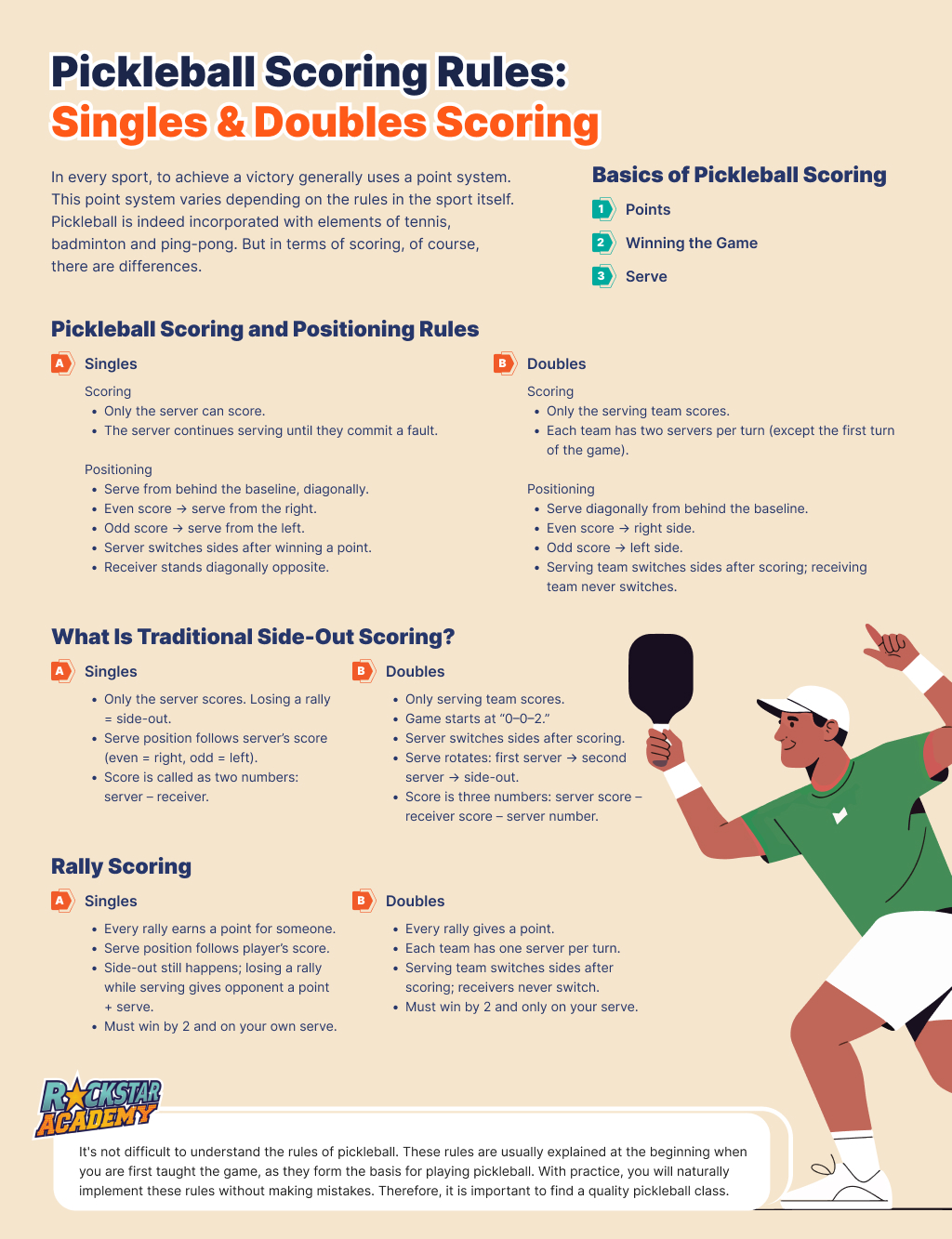
The rules for serving and scoring in pickle use side-out scoring in most play. Only the serving team can score. If the receiving team wins the rally, they do not score; they earn the right to serve next.
How to call the score in doubles:
- Say server score, receiver score, then server number (1 or 2).
- Example: 3-5-2 means your team has 3, their team has 5, you are the second server.
Game targets you will see:
- Most rec games are to 11, win by 2.
- Some events play to 15 or 21, win by 2.
- Events may have end changes at 6 (to 11) or 8 (to 15), as posted by the event.
Why this matters: Clear score calls prevent “wrong receiver” faults and help track who should be serving. It is the backbone of the rules for serving and scoring in pickle, and it keeps games fair and fast.

The two-bounce rule and the kitchen on the serve
Two rules shape the first seconds of every rally. They sit at the heart of the rules for serving and scoring in pickle.
The two-bounce rule:
- The serve must bounce before the returner hits it.
- The return must bounce before the server or partner hits it.
- After those two bounces, volleys are allowed (but not while in the kitchen).
Kitchen rule on the serve:
- Serves must land past the kitchen line. A serve on the kitchen line is a fault.
- On later shots, the kitchen line is part of the zone. Do not volley while touching it.
A simple memory trick: bounce, bounce, then bang. That is how I teach brand-new players on day one.

Doubles rotation: who serves, where to stand, and when to switch
Doubles flow confuses many players at first. The rules for serving and scoring in pickle are clear once you track the right side and the server numbers.
Starting the game:
- The team that serves first starts as “server 2” by rule. The opening score is 0-0-2.
- The right-side player serves first. Score calls begin from the right.
During your team’s serve:
- If you win the point, the same server switches sides and serves again.
- Partners do not switch sides unless their team has scored.
- When the first server loses a rally, the second server serves from wherever they stand.
Side-out:
- After the second server loses a rally, the serve goes to the other team.
- That team’s right-side player now becomes server 1.
Court tip from league play: Keep a coin on the right side fence post of your court. Move it with the server. It helps new pairs remember where server 1 stands and keeps the rules for serving and scoring in pickle on track.

Singles scoring and serving: simple and fast
Singles trims the details. You call only two numbers: server score first, then receiver score.
Serving side in singles:
- If your score is even, serve from the right.
- If your score is odd, serve from the left.
Everything else stays the same:
- Underhand serve.
- Two-bounce rule still applies.
- Side-out scoring remains the base in most singles play.
This is the easiest spot to master the rules for serving and scoring in pickle. The even/odd rule makes side choice simple.

Common faults and easy fixes
Most errors come from a few habits. Here is how to avoid them and protect points under the rules for serving and scoring in pickle.
Frequent faults:
- Foot fault on the serve. Fix: start one shoe back and hold it.
- Serve lands on the kitchen line. Fix: aim a foot deep and target the back third.
- Wrong server or wrong receiver. Fix: call the score loud and check positions.
- Volley before the second bounce. Fix: say “bounce” out loud on serve and return.
- Spinning the ball at release. Fix: open palm, no finger roll, keep it clean.
From my own mishaps: I once “won” a rally after my partner returned by mistake. The ref called it back. Since then, we point to the correct receiver before each serve when the score gets tight.
Event and league variations you may see
While most rec games use standard rules, some events change the flow. Knowing these keeps you ready and supports the rules for serving and scoring in pickle across formats.
Common variations:
- Games to 15 or 21, win by 2.
- Rally scoring in select leagues or team events. In rally scoring, every rally earns a point.
- Technical timeouts, medical timeouts, and gear timeouts in tournaments.
- Refereed matches with stricter foot fault and spin enforcement.
If you enter an event, scan the posted sheet or ask the ref. Small changes can shift your plan. Your serve targets and return depth may change under rally scoring.
Practice drills to lock in the rules
Drills make the rules for serving and scoring in pickle feel natural. Use short sets and score out loud.
Simple drills:
- Ten-in-a-row deep serves. Aim past the kitchen line by two feet on both boxes.
- Return depth ladder. Hit five returns that land within two feet of the baseline.
- Side-out scrimmage. Receiving team can win the game only after a side-out.
- Score call walk-through. With a partner, rotate as server 1 and 2 and call 10 scores.
Coach’s note: Make every drill start with a loud, clear score call. It is free practice for match nerves and the best habit to support clean play.
How to remember the rules for serving and scoring in pickle
You do not need a booklet on court. Use this short script before each rally.
Memory script:
- Check you are on the right side.
- Call server score, receiver score, server number.
- Serve underhand to the diagonal box.
- Wait for bounce, then bounce, then attack.
Repeat it between points. Soon, the rules for serving and scoring in pickle will feel like second nature.
Frequently Asked Questions of rules for serving and scoring in pickle
What is the correct way to call the score in doubles?
Say server score, receiver score, then server number. For example, 6-4-1 means your team has 6, opponents 4, and you are server 1.
Can a serve hit the net and still be good?
Yes, if it lands in the correct service box past the kitchen line. Let serves are played.
Does the serve get a second try if it is out?
No. You get only one serve attempt. If you miss, it is a fault and play moves on.
Who serves first in a game?
The team that starts serving begins as server 2 by rule. The opening score is 0-0-2 to reduce the first-serve edge.
What is rally scoring and do I need it?
Rally scoring gives a point on every rally. Many rec games use side-out scoring, but some leagues and events use rally scoring.
What happens if the wrong player returns the serve?
It is a fault on the receiving team. The serving team earns a point or keeps the serve, based on the stage of that service turn.
Can I add spin to the ball with my fingers when I release it?
No. You cannot add spin at release. Use a clean release for both standard and drop serves.
Conclusion
You now know the key rules for serving and scoring in pickle: legal underhand serves, the two-bounce rule, clear score calls, and smart doubles rotation. These simple habits stop most faults and keep rallies fair and fun. Practice them with short, loud score calls and deep, safe targets.
Take this to your next game: bounce, bounce, then attack. If this guide helped, share it with your group, subscribe for more tips, and drop your trickiest rules question in the comments.