Most credit the “pickle boat” joke; others insist it was the family dog.
If you have wondered how did pickle ball get its name, you are not alone. I have studied its roots, spoken with players who learned from the founders, and dug through early accounts. This guide breaks down both stories, lines up the dates, and shows what the best evidence says. Stick with me for a clear, friendly answer you can trust.
How did pickle ball get its name? The two stories people love
Two tales sit at the heart of this question. They both sound true because they both hold pieces of the early days.
- The pickle boat story. Joan Pritchard, a rower’s wife, said the game felt like a “pickle boat.” In crew, that is a boat made of leftover rowers. Pickleball borrowed bits from tennis, badminton, and ping-pong. The name fit the mash-up.
- The dog named Pickles story. The Pritchard family had a cocker spaniel named Pickles. He chased the plastic ball around the yard. People joked the game belonged to Pickles, so the name stuck.
Early local notes favor the pickle boat idea. Later press leaned into the cute dog tale. That is why both live on when people ask how did pickle ball get its name.

The Bainbridge Island beginning: what we know
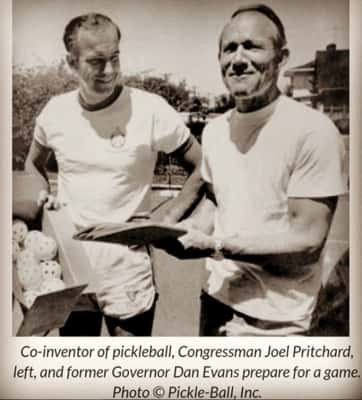
The sport started in the summer of 1965 on Bainbridge Island, Washington. Three dads built a game to keep kids busy.
- Joel Pritchard, Bill Bell, and Barney McCallum set up on an old badminton court.
- They lowered the net, used a perforated plastic ball, and cut wooden paddles in a garage.
- The game grew by word of mouth, then in parks, then in schools.
This origin helps explain how did pickle ball get its name. The game was a blend from day one. A playful name fit a playful sport.
Weighing the evidence: pickle boat vs. Pickles the dog
Let’s line up the records that historians and longtime players point to.
- Timing. Several accounts place the dog Pickles arriving after the game existed. Some family members have said the dog was named for the sport, not the other way around.
- Early mentions. Early descriptions from local circles refer to the pickle boat term. The dog story appears more often in later magazine pieces and TV spots.
- Motive. The dog story is charming and easy to remember. It spread fast because it works well in short media segments.
So, how did pickle ball get its name based on the weight of evidence? Most credible timelines support Joan Pritchard’s pickle boat quip. The dog story is part of the lore and adds color, but likely came second.
A simple timeline you can share
Here is a quick way to tell the story when someone asks how did pickle ball get its name.
- 1965: The game begins on Bainbridge Island. Paddles are homemade. The ball is plastic.
- 1965–1966: Friends and neighbors play often. People describe the sport as a mix of other games.
- Mid-late 1960s: The phrase pickle boat appears in family and local talk. The name “pickleball” catches on.
- Late 1960s: The dog named Pickles is part of the family lore. He chases balls and steals the show.
- 1970s–1980s: Media coverage grows. The dog tale spreads, and both stories circulate.
When you know this sequence, how did pickle ball get its name becomes easy to explain without debate.

Why the name stuck and helped the sport explode
Pickleball has a light name and a low barrier to play. That mix is rare.
- It is fun to say. People remember it after one try.
- It sparks curiosity. The name invites the question how did pickle ball get its name, which keeps the story alive.
- It matches the vibe. The game is social, fast, and friendly. The name feels right on a T-shirt, in a park, or online.
In brand terms, the name is sticky. It helps people try the sport and share it with friends.

My take from the court and the archives
As a player and writer, I hear the question how did pickle ball get its name at almost every beginner clinic. I bring both stories, then walk through the dates. People smile at the dog tale but nod when they hear about the pickle boat term.
What works in real life:
- Lead with this: “It likely came from a rower’s ‘pickle boat’ joke.”
- Add this: “The family dog named Pickles joined the fun and made the story cute.”
- Close with this: “Both are part of the sport’s charm.”
This approach keeps the magic, avoids a history fight, and answers how did pickle ball get its name in a way that feels complete.
How to answer the question in one line (and sound smart)
If a friend asks how did pickle ball get its name, try one of these quick lines.
- “From a ‘pickle boat’ joke about mixing players, with a cute dog story on top.”
- “The founders’ circle named it for a crew term; their dog helped the legend grow.”
- “It blends games like a pickle boat blends rowers. The dog tale came later.”
Short, clear, and true to the best records we have.
Frequently Asked Questions of how did pickle ball get its name
How did pickle ball get its name?
Most evidence points to Joan Pritchard’s “pickle boat” reference from rowing. The dog named Pickles added a lovable twist that helped the story spread.
Was Pickles the dog real?
Yes. The family had a cocker spaniel named Pickles who chased the ball. Many sources note the dog likely came after the game began.
Why would a rowing term name a paddle sport?
Pickle boat means a mixed crew. The founders mixed parts of tennis, badminton, and ping-pong. The name fit the spirit of the game.
Who founded pickleball?
Joel Pritchard, Bill Bell, and Barney McCallum created the game in 1965. They lived on Bainbridge Island, Washington.
Did early newspapers mention the name origin?
Early local notes refer to the pickle boat idea. Later media leaned into the dog story because it was simple and cute.
How did pickle ball get its name become such a common question?
The name is quirky and invites curiosity. Media coverage repeated both stories, so people still ask which one is true.
Is it spelled pickleball or pickle ball?
Most official groups use pickleball as one word. Many people still search for how did pickle ball get its name using two words.
Conclusion
You can now explain how did pickle ball get its name without skipping a beat. It most likely came from Joan Pritchard’s pickle boat joke, while the family dog made the tale unforgettable. Both pieces matter because they reflect the sport’s playful heart.
Share the story at your next game, teach a new player, and keep the lore alive. If this helped, explore more history posts, subscribe for new guides, or drop your own pickleball memories in the comments.