A let in pickleball means a replay of the point; service lets are gone now.
If you’ve ever paused after a net-cord serve, this guide is for you. I’ve coached and played thousands of games, and I’ve seen the confusion firsthand. This article breaks down let in pickleball in plain English. You’ll learn what counts, what doesn’t, and how to handle tricky moments with confidence and class.
What is a let in pickleball today?
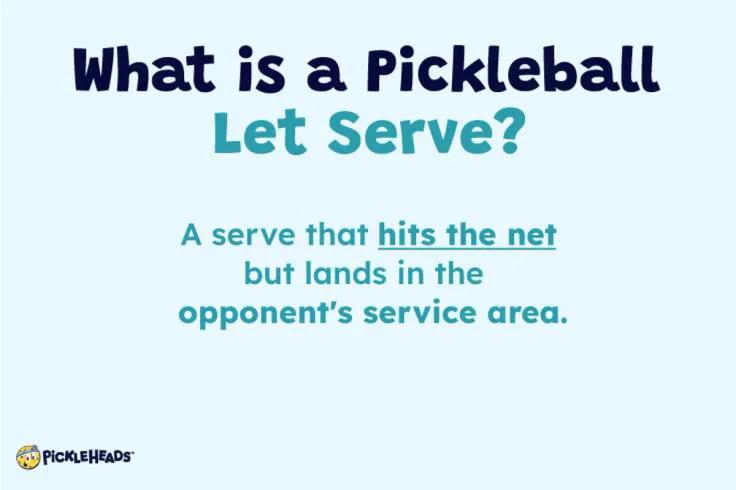
A let in pickleball used to mean a replay after a serve hit the net and landed in. That is no longer the case. The official rules removed service lets. A serve that clips the net and lands in the correct service box is now live. Play it.
We do still have replay situations. Most players still call them “lets,” but the rulebook calls them replays or hindrances. Use a replay when an outside factor stops fair play or creates risk, like a ball rolling onto the court.
If you remember one thing, make it this: There is no let serve anymore, but replays still exist for safety and fairness. That is the current state of let in pickleball.
The rule change: no more service lets
A few years back, the governing rules dropped service lets. Why? Pace, clarity, and fairness. Players were pausing points, arguing, and gaming the moment. Now a net-cord serve that lands in is live, period.
Here’s the quick logic:
- Serve touches net and lands in the right box beyond the non-volley zone line. Rally is live.
- Serve touches net and lands short or out. Fault on the server.
- Someone yells “let” out of habit and stops play. That player risks a fault for stopping a live rally.
From my experience, this change speeds up games and cuts drama. It keeps the returner alert and rewards focus. It also makes teaching new players much easier.
How to handle net-cord serves and live balls
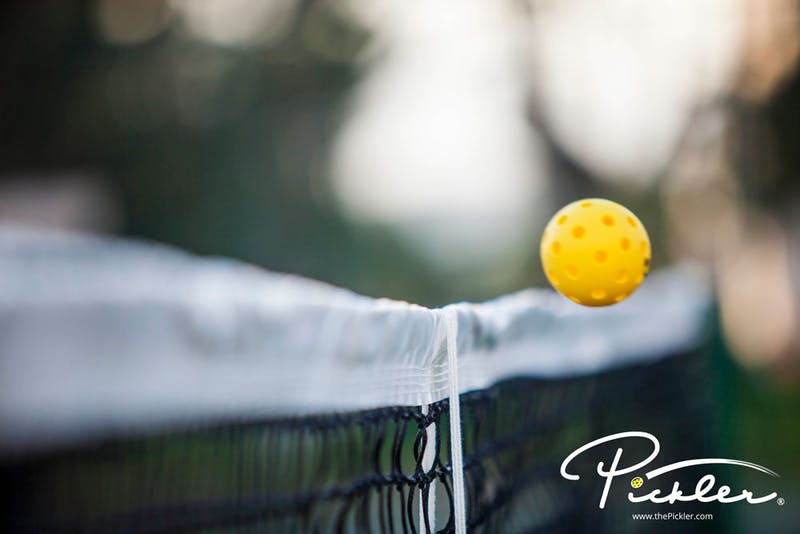
Net-cord serves can be sneaky. The ball may die short or kick wide. Your job is simple. Play on.
Practical tips that work:
- Ready stance. Stay low so a dead drop does not beat you.
- Read the path. A net-cord ball often loses power. Step forward a half-step.
- Short swing. Do not over-swing. Aim deep middle to reset.
- Communicate in doubles. Call “short” or “wide” early to help your partner.
A net-cord serve is not a let in pickleball. Treat it like any other live ball. Your mindset is half the battle.

Replay situations people still call “let”
Even with no service lets, there are times you replay the point. These are the common ones I see:
- Safety balls from other courts. If a stray ball rolls in, stop play right away. Call “ball on” or “stop.” Replay the point.
- Unintentional external hindrance. A loud crash, a child stepping onto the back fence opening, or wind blowing a hat onto the court. If it truly affects play, replay.
- Equipment interference not caused by you. If a ball falls from your opponent’s pocket or a paddle breaks and distracts you, the outcome depends on cause. If they caused the hindrance, they commit a fault. If not, replay.
- Wrong server, receiver, or position discovered mid-rally in refereed play. The referee may stop play and apply the correction, often with a replay.
When in doubt, stop for safety, then agree on a replay. That is the spirit behind let in pickleball as most people use the term.
How to call a fair replay without drama
Clear, calm calls save friendships. Here is the easy script I use:
- Stop the rally only for real safety or true outside impact.
- Use simple words. Say “Stop. Ball on.” or “Replay for hindrance.”
- If you caused it, own it. “My ball fell out. My fault.” That builds trust fast.
- If it is unclear, give the benefit of the doubt once, then talk between points.
In casual play, I aim for generous. In tournaments, I follow the referee and the rulebook. Either way, respect wins. This mindset is key when talking about let in pickleball.

Common myths and mistakes about let in pickleball
Let in pickleball carries some old myths. Let’s clear them up.
- Myth: A net-cord serve is always a let. Truth: It is live if it lands in the proper box.
- Myth: You can call “let” anytime you feel off balance. Truth: Personal mistakes are not hindrances. Keep playing.
- Myth: If you hear “let,” you must stop. Truth: There is no player-called let on serve. Play until the rally ends or a referee stops it.
- Myth: Replays favor the team in trouble. Truth: Replays protect safety and fairness. Use them sparingly and honestly.
Avoid these traps and you will rise above most court arguments.

Strategy: turn net-cord chaos into wins
You cannot control the cord. You can control your response. When a net-cord serve drops, I use simple rules:
- Reset first. Soft block to the middle. Make them hit one more ball.
- Favor cross-court. You get more margin over the net on that line.
- Move your feet, not your hands. Small steps beat big swings.
- Be ready for the second ball. Net-cords create weak replies. Attack the next shot, not the first.
Want a drill? Have a partner feed low, slow balls that mimic net-cords. Work short backswings and deep targets. Ten reps per side. Repeat. This helps you master let in pickleball situations without stress.

Officiating and league notes you should know
Most leagues, clubs, and pro tours follow the official rulebook: no service lets. Referees may call replays for outside interference or safety issues. Players do not call let serves.
If your local club uses house rules, ask before you play. Some social groups still use old habits. Align early to avoid a mid-match fight. This is a smart way to handle let in pickleball in mixed groups.

Etiquette: keep it friendly and fair
Great players protect safety first and still keep the game moving. Use these habits:
- Call stoppages loud and clear, then stop your body, too.
- Offer one courtesy replay per match on close calls. Not required, but classy.
- Do not exploit replays to break momentum. That ruins the vibe.
- Thank your opponents for honest calls. It sets the tone.
When everyone follows this, let in pickleball becomes simple again.
Frequently Asked Questions of let in pickleball
What is a let in pickleball?
A let in pickleball is a replay due to outside interference or safety. It is not used for serves anymore.
Is a net-cord serve a let in pickleball?
No. If the serve hits the net and lands in the correct box, the ball is live. Keep playing.
Can players call a let on serve?
No. Players cannot call let serves. Stopping the rally for a “let” on serve can be a fault.
When do we replay a point?
Replay the point for true hindrance or safety issues, like a ball from another court. If a player causes the hindrance, it may be their fault instead.
What if I disagree about a replay call?
Pause, keep it calm, and agree on a fair outcome. In casual play, a replay is often the best fix.
Does a hat falling off cause a replay?
If it affects the rally and was not intentional, it can be a replay. If it repeatedly happens from the same player, it may be their fault.
Conclusion
You now know the modern rule: there is no let serve, but replays still exist for safety and fairness. Play net-cord serves live, call clear stoppages for real hazards, and respect your opponents. That is the heart of let in pickleball today.
Take this to your next game. Talk with your group before you start. Agree on how you will handle replays. Then play with focus, grace, and joy. Want more guides like this? Subscribe, share this with your court crew, and drop your questions in the comments.