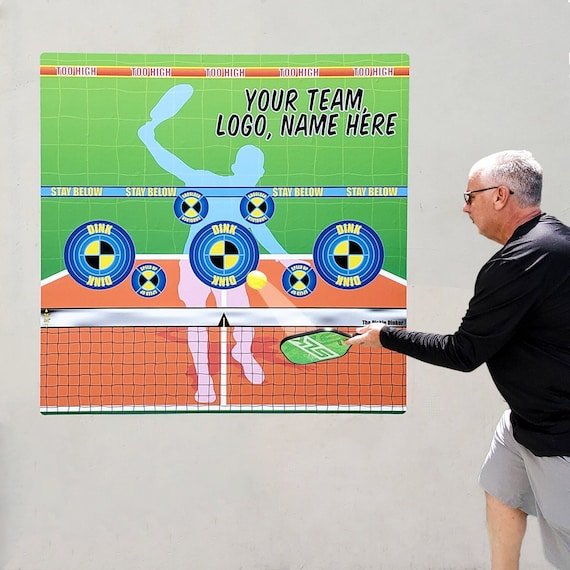
A pickle ball practice wall is a simple wall that sharpens every shot fast.
If you want faster hands, steady dinks, and a fearless return, a pickle ball practice wall is the secret tool. I’ve logged hundreds of reps on walls in gyms, garages, and parks. In this guide, I’ll show you how to set up a wall, train with purpose, and see real gains that show up in matches.
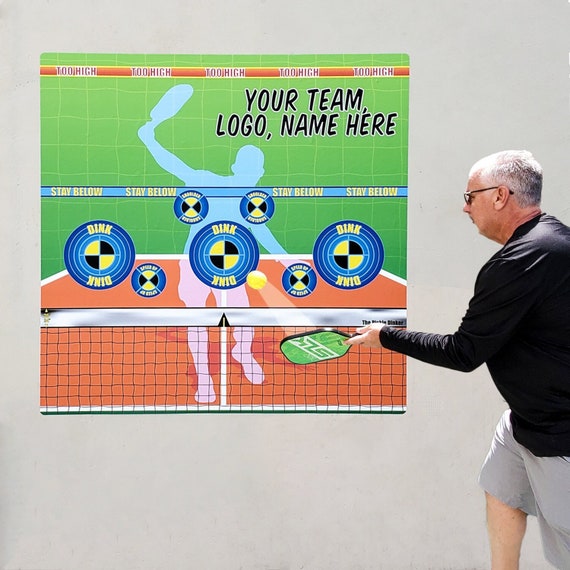
What is a pickle ball practice wall?
A pickle ball practice wall is any sturdy flat surface you hit balls against. It sends the ball back so you can drill alone. You can use a school wall, a tennis backboard, or a DIY board in a garage. It is cheap, fast to set up, and always ready.
You can mark a net line and kitchen line on the wall. That keeps your target true. A good pickle ball practice wall turns dead time into quality reps with clear goals.
I use one before league play to tune my timing. Ten minutes is enough to wake up my touch. It feels like a warm-up partner who never misses. A pickle ball practice wall is perfect when courts are full. It is also great when you want focused work without pressure.

Why a practice wall works so well
A wall feeds you constant balls. No picks. No waiting. More reps mean faster learning. Sports science supports this. Short cycles of repeat reps build muscle memory. Adding small changes builds transfer to real play.
Here is what a pickle ball practice wall can do for you:
- Improve footwork and split-step timing
- Build topspin, underspin, and flat control
- Raise paddle speed for fast hands at the kitchen
- Sharpen contact point and sweet-spot feel
- Boost focus under mild fatigue
I noticed my backhand dink settled down first. Then my resets felt calm even under heat. That came from 10–15 minutes a day on a simple pickle ball practice wall.

Ideal wall specs and setup
You can hit on many walls. But a few tweaks make it great.
- Height: At least 8 feet. More is better for lobs.
- Width: 10–20 feet. This lets you move laterally.
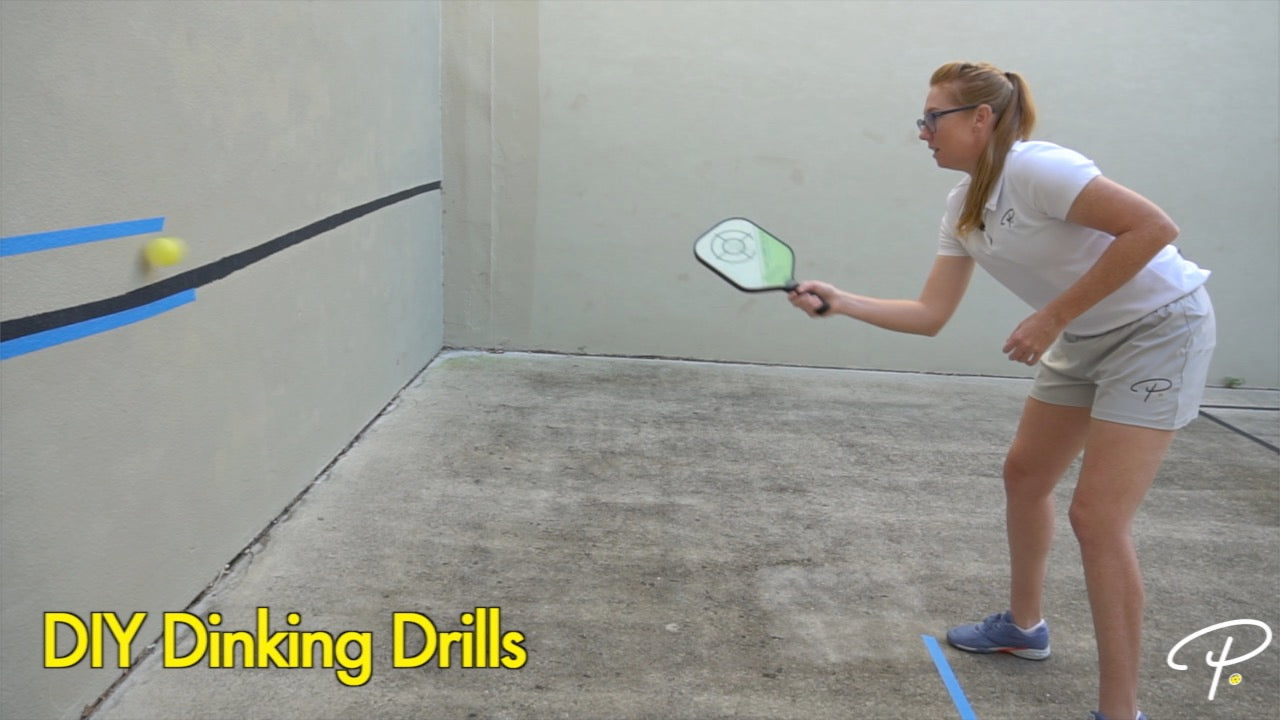
- Markings: Draw a net line at 34 inches from the ground. Add a kitchen line mark on the floor at 7 feet from the wall.
- Surface: Smooth but not glossy. Painted plywood, concrete, or a tennis backboard works well.
- Distance: Stand 10–14 feet from the wall for dinks and resets. Step back to 18–22 feet for drives and drops.
- Angle: A vertical wall is fine. A slight lean back can soften rebounds.
- Ball return: Tape a 24–36 inch “target box” above the net line to focus hits.
Noise counts too. Use a foam ball or softer ball if needed. Add rubber mats on the floor to cut echo. A pickle ball practice wall should be friendly to you and your neighbors.

Build vs. buy: options and costs
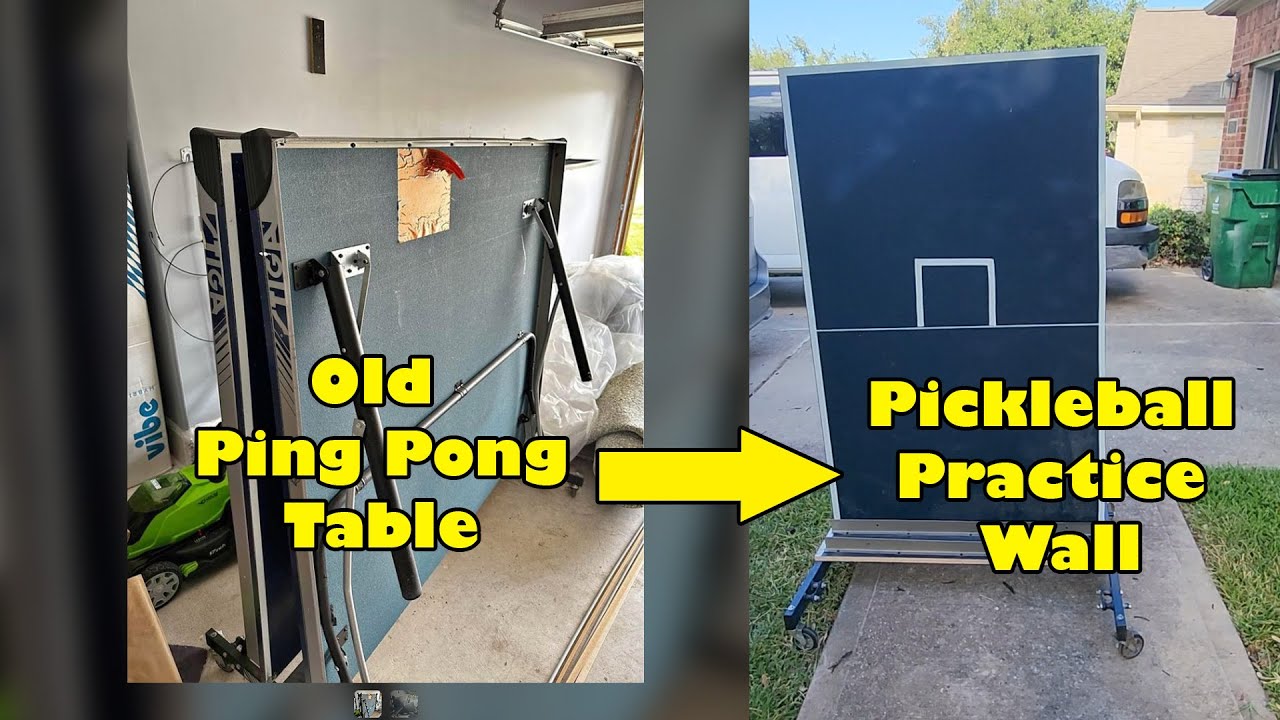
You can build a DIY pickle ball practice wall with 3–4 sheets of 3/4-inch exterior plywood. Anchor them to studs or a frame. Seal with primer and outdoor paint. Add a base kickboard to protect edges.
If DIY is not your style, look for:
- Tennis backboards at parks. Many work fine for pickleball.
- Portable rebound boards. These fold and fit in a car.
- Garage door panels with a tarp overlay. Add foam behind for less noise.
Typical costs:
- DIY plywood wall: moderate cost depending on lumber and paint.
- Portable rebounders: ranges by brand and size.
- Free options: school walls, public courts, or brick walls with chalk lines.
Try a free option first. Then upgrade. The best pickle ball practice wall is the one you will use often.

Safety, noise, and neighbor-friendly tips
Safety first. Wear court shoes. Keep the area clear. Check for tripping hazards like loose balls.
For noise:
- Use foam or low-noise balls during quiet hours.
- Add rubber mats to floors and thin foam behind panels.
- Use felt tape along paddle edges to dampen sound.
Tell your neighbors about your schedule. Share a few open times. A kind note goes a long way. A quiet pickle ball practice wall keeps peace and your training on track.
Essential gear for wall sessions
You do not need much. But a few items help a lot.
- Two paddles if you test weight or grip.
- 6–12 balls so you drill without stopping.
- Painter’s tape for net and target lines.
- A small tripod or phone mount to film form.
- A towel and water. Short rests, quick sips.
I also keep a notebook. I jot a drill, a target, and a score. This keeps my pickle ball practice wall sessions sharp.

30-, 60-, and 90-minute wall workout plans
You can get a lot done in little time. Keep the plan simple. Hit, reset, rest, repeat.
30-minute plan
- Warm-up: 5 minutes dink forehand and backhand, 50 hits each.
- Control: 10 minutes target box above net line, 5 sets of 20.
- Speed: 10 minutes quick volleys at the kitchen, 5 sets of 40.
- Cool down: 5 minutes soft resets from mid-court.
60-minute plan
- Warm-up: 10 minutes dinks and mini drops, move side to side.
- Drive and block: 10 minutes hard drives, 10 minutes blocks.
- Drops: 10 minutes third-shot drops from 18–22 feet.
- Volleys: 10 minutes random height volleys.
- Finish: 10 minutes free play with goals, like 30 in a row.
90-minute plan
- All of the 60-minute plan.
- Add 10 minutes spin serves and returns.
- Add 10 minutes lob and overhead work if ceiling allows.
Keep rests short. Aim for 1 minute tops between sets. A clear plan makes your pickle ball practice wall a real coach.

Best drills for every level
Beginner drills
- Dink ladder: Start close. Hit 20. Take a step back. Repeat.
- Target taps: Hit the taped box 50 times forehand, 50 backhand.
- One-bounce rule game: Let the ball bounce once before each hit.
Intermediate drills
- Drive to block: Rip 10 hard drives. Step in. Block 10 light touches.
- Third-shot drop: From 20 feet, land 30 drops just over the net line.
- Cross-step volley: Split-step, cross-step, volley to target 5 sets of 15.
Advanced drills
- Random feed: Hit at different heights and speeds. No pattern.
- Two-ball chaos: Toss a second ball to yourself mid-rally. Keep control.
- Pressure ladder: Each miss drops you one level back. Climb again.
Use a timer or rep goals. Track your best streak each week. Your pickle ball practice wall becomes a scoreboard you can trust.
Common mistakes and how to fix them
Mistake: Standing too close
Fix: Step back a foot or two. Give the ball space to bounce.
Mistake: Flat feet at contact
Fix: Add a split-step before each hit. Stay light on the balls of your feet.
Mistake: Swinging too big
Fix: Shorten strokes. Use your shoulder and a compact path.
Mistake: Aiming too low
Fix: Aim six inches above the net line. Let margin be your friend.
Mistake: Endless mindless hitting
Fix: Set targets and reps. Log scores. A pickle ball practice wall should be mindful.
I learned the hard way that speed without aim is noise. Slower, cleaner hits win.
Maintenance and durability of your wall
Plywood walls need paint touch-ups every few months if outdoors. Concrete walls last longer but can be rough on balls. Smooth paint helps. Use exterior-grade paint for weather and UV.
Check anchors and screws each month. Tighten loose parts. Replace worn tape lines. A tidy pickle ball practice wall feels pro. You will want to train more on it.
Weatherproof and outdoor setups
Outdoor spots are great. Aim for shade if you can. Heat changes bounce and grip. Wind adds curve and drift. That can be useful. Train with spin to learn control in wind.
For rain or snow, cover wood with a tarp. Raise the base off the ground to avoid rot. Store balls indoors. Cold makes balls hard and lively. A winter-friendly pickle ball practice wall saves the day when courts close.
Data-driven progress tracking
Keep it simple. Use three metrics:
- Longest unbroken rally streak
- Target hit rate out of 50
- Time to 100 clean dinks
Film one drill per week. Check contact point and paddle path. Small tweaks add up. Over a month, you will see smoother strokes. A log turns your pickle ball practice wall into a lab.
Community and creative alternatives
No wall nearby? Get creative.
- Ask a school if you can mark a line on a side wall.
- Use a tennis backboard in off-hours.
- Park garages have quiet, smooth walls during non-peak times.
- At home, a folding board and door-stopper can stand in.
Invite a friend. Trade sets. One hits while the other counts or films. A shared pickle ball practice wall session is fun and keeps you honest.
Frequently Asked Questions
How high should a pickle ball practice wall be?
Aim for at least 8 feet high. More height helps for lobs and overhead drills.
What distance should I stand from the wall?
For dinks, stand 10–14 feet away. For drives and drops, 18–22 feet works better.
Can I train serves on a wall?
Yes, work on toss rhythm and contact. Then mark service targets on the floor to check depth and pace.
What balls are best for wall training?
Foam or low-noise balls are great indoors. Outdoor balls are fine for concrete, but expect faster rebounds.
How often should I use a wall?
Short daily sessions work best. Aim for 10–30 minutes, and longer blocks two or three times a week.
Will wall training hurt my touch?
Not if you aim for height and spin targets. Use soft hands and mix in reset drills.
Is a garage door safe as a wall?
Use caution. Protect windows. Add foam or plywood to spread impact and reduce noise.
Conclusion
A pickle ball practice wall gives you reps on demand, clear feedback, and quick gains. Set simple targets. Log your best streak. Mix speed with soft touch. You will feel the difference in your next match. Build or find a wall, set your marks, and start today. If you want more drills and weekly plans, subscribe and tell me what wall you use at home.