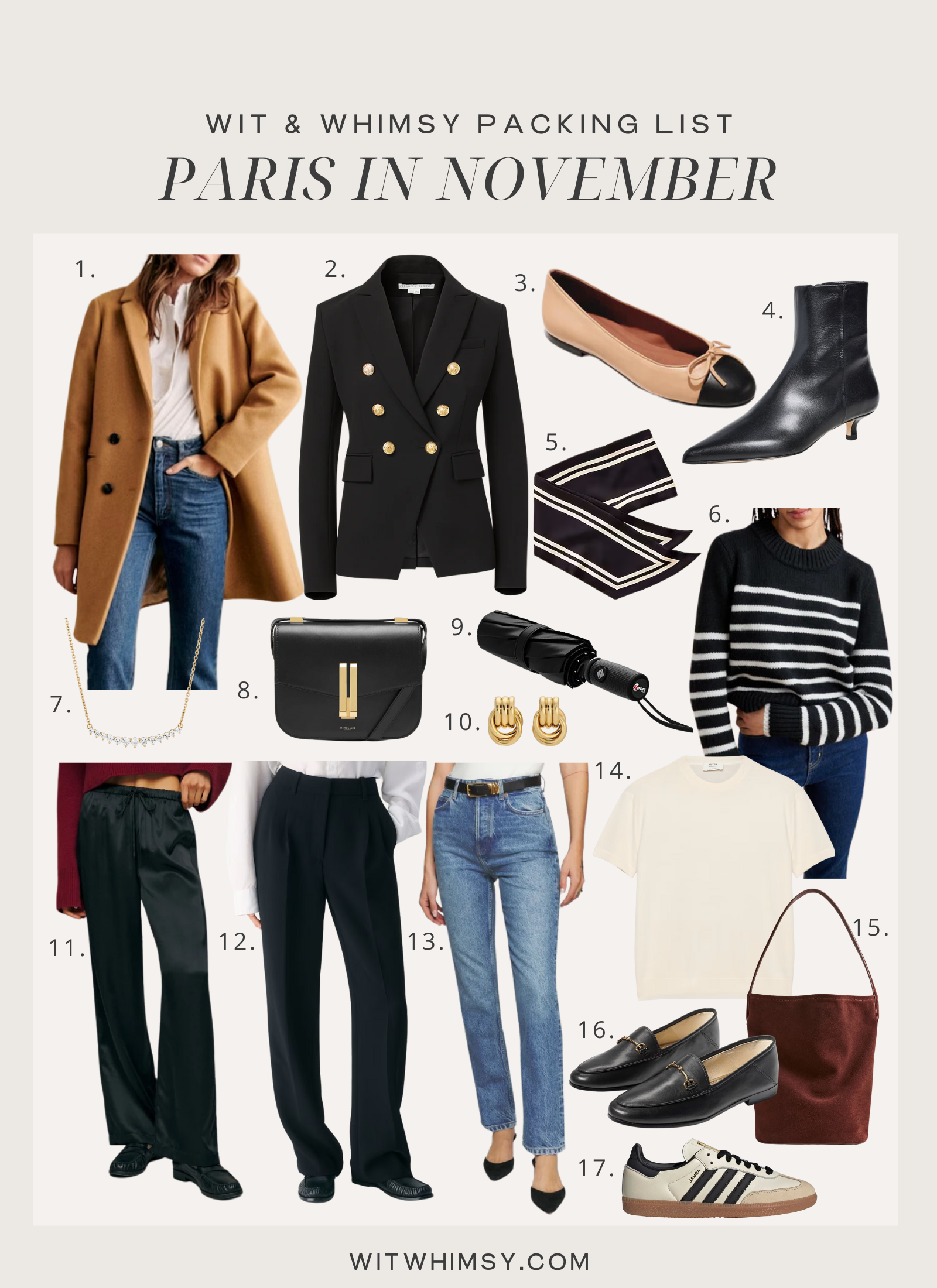
Dress for the weather, the occasion, great fit, and your personal style.
You’re here to solve what to wear with ease, not stress. I’ve spent years helping people build outfits that work in real life. In this guide, I’ll break down what to wear for any day, event, and season. You’ll get simple rules, outfit formulas, and pro tips you can trust. Read on, and getting dressed will feel easy and even fun.

How to Decide What to Wear: The Core Framework
What to wear starts with four simple pillars: weather, occasion, fit, and your goal. When these align, your outfit looks sharp and feels right. Miss one, and the look can fall apart. Use this quick plan each morning.
Try this 60-second checklist:
- Weather: Check temperature, wind, rain, and sun. Pick layers and fabrics to match.
- Occasion: Name the dress code. Casual, smart casual, business, cocktail, or black tie.
- Fit and comfort: Choose pieces that move with you. If it pinches, skip it.
- Personal goal: Decide how you want to feel. Calm, bold, creative, or in charge.
When a client says “I don’t know what to wear,” I guide them back to these four steps. It works for office days, dates, and big events. Keep it simple and repeatable.

Dress Codes Decoded
Dress codes remove guesswork from what to wear. Here’s how to nail the big ones without overthinking it.
Casual
- T-shirt or knit polo with jeans or chinos.
- Clean sneakers or loafers. Light jacket or cardigan.
Smart casual
- Button-down or blouse with chinos, dark jeans, or a midi skirt.
- Loafers, ankle boots, or clean sneakers. Add a blazer or trench.
Business casual
- Button-down or blouse with dress pants, pencil skirt, or a simple dress.
- Oxfords, loafers, flats, or low heels. Blazer optional but smart.
Business professional
- Suit or tailored dress. Crisp shirt or shell.
- Oxfords, loafers, or classic pumps. Subtle belt and watch.
Cocktail or semi-formal
- Dark suit or sleek dress. Silk or fine knit top works too.
- Dress shoes or elegant heels. Minimal jewelry.
Black tie
- Tuxedo or long evening dress. Formal shirt or refined gown.
- Patent shoes or formal heels. Classic clutch or cufflinks.
Festive or creative
- Smart base plus a statement piece. Think color, print, or texture.
- Keep one focal point. Avoid costume looks.
Funeral or memorial
- Dark, simple, modest. Long sleeves or covered shoulders.
- Clean shoes and minimal accessories.
Common mistakes to avoid:
- Wearing denim to business settings unless told.
- Loud graphics at solemn events.
- Flashy shoes to black tie when classic would shine.
Seasonal What to Wear Guide
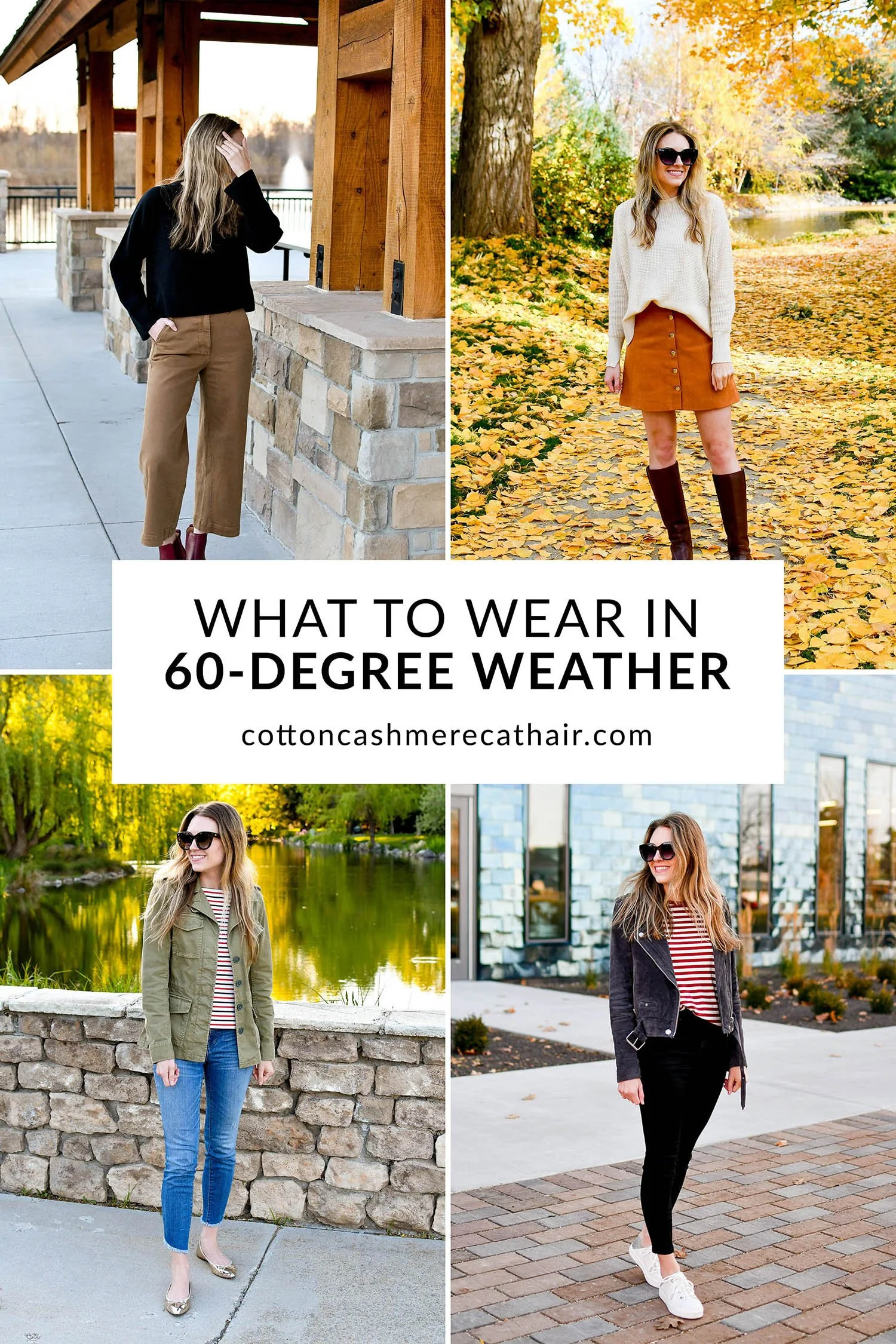
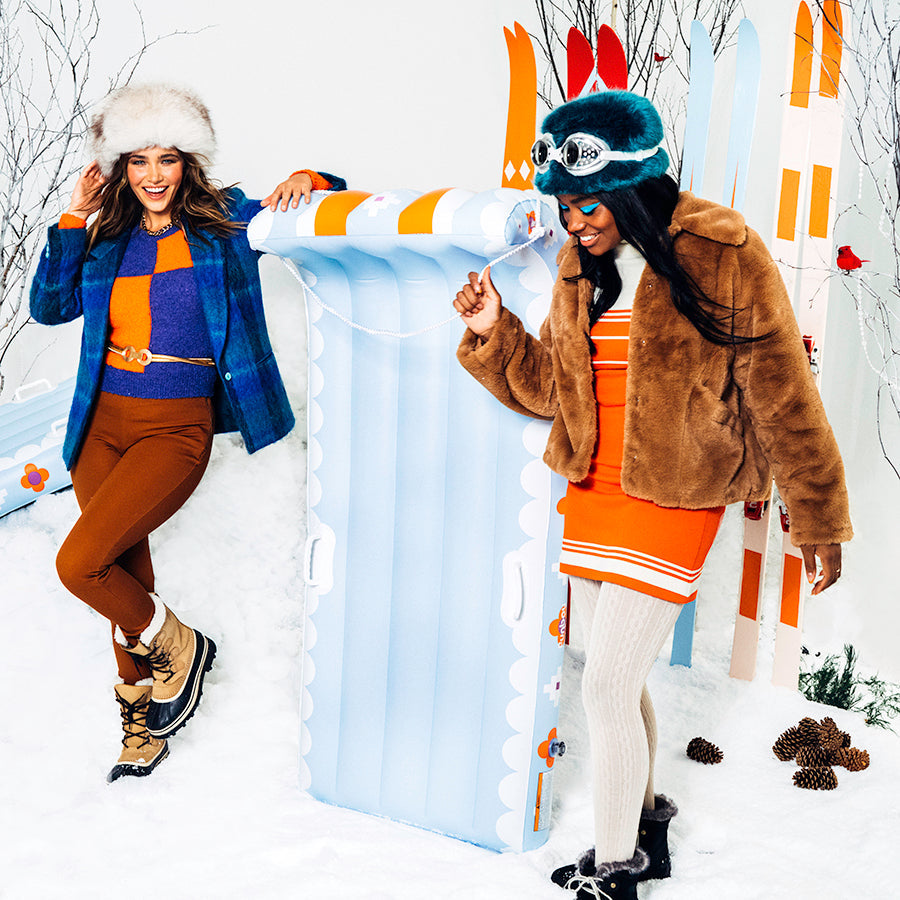
Weather is the top driver of what to wear. Dress for the climate first. Then refine for the occasion.
Spring
- Light layers like a trench, denim jacket, or cardigan.
- Cotton, merino, and light wool. Neutral base with fresh colors.
Summer
- Breathable fabrics like linen, cotton, and performance blends.
- Short sleeves, airy dresses, and unlined jackets. Hats and sunglasses help.
Fall
- Mid-weight layers like a chore coat, blazer, or knit.
- Earth tones pair well. Boots return. Keep a scarf handy.
Winter
- Insulated coat, wool layers, and thermal base if needed.
- Leather or waterproof boots. Gloves and beanie for warmth.
Simple temperature guide:
- Under 50°F: Coat, warm knit, lined pants, and socks.
- 50–65°F: Light jacket or blazer, long sleeves, and trousers.
- 65–75°F: Shirt or blouse with breathable pants or skirt.
- Over 75°F: Short sleeves and light fabrics. Shade when you can.
On very hot days, choose loose fits and light colors. On wet days, pick waterproof shoes and a hooded layer.
Outfit Formulas for Common Moments
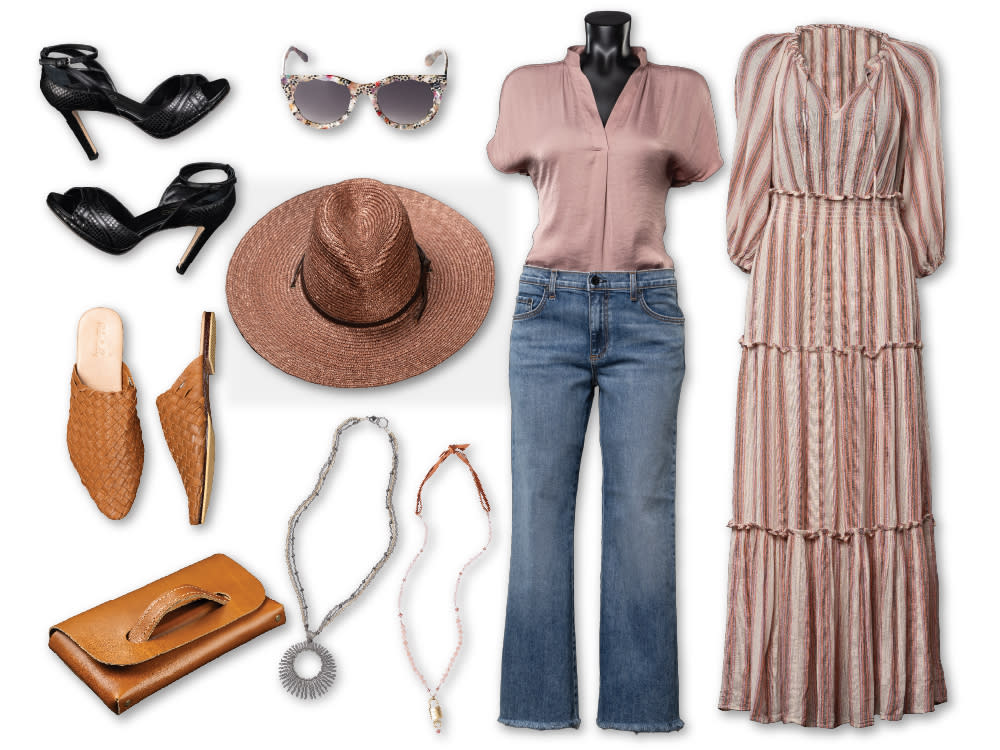
Here are plug-and-play formulas for what to wear in real life. Mix and match with your closet.
Job interview
- Dark suit or sharp separates. Crisp shirt or blouse. Closed-toe shoes.
- Add a simple belt or watch. Keep scent light.
Wedding guest
- Cocktail dress or suit with a tie. Dress shoes or heeled sandals.
- Avoid white unless asked. Check the venue and dress code.
First date or dinner
- Smart casual: knit polo or blouse, dark jeans or midi skirt.
- Clean sneakers, loafers, or block heels. One statement piece.
Presentation or big meeting
- Suit or blazer set. Solid colors or subtle patterns.
- Polished shoes. Steam or press everything.
Travel day
- Stretch pants or jeans. Soft tee and a light jacket.
- Slip-on shoes. Crossbody or backpack for hands-free ease.
Gym
- Moisture-wicking top and shorts or leggings.
- Supportive shoes. Bring layers for the ride home.
Hike or outdoor day
- Performance tee, trail pants or shorts, sturdy shoes.
- Hat, sunscreen, and water. Pack a light shell.
Beach or pool
- Swimsuit with cover-up. Flip-flops or sliders.
- Wide-brim hat and UV sunglasses.
Rainy day
- Waterproof jacket or trench. Non-slip shoes.
- Compact umbrella. Avoid long hemlines.
Funeral or memorial
- Dark suit or modest dress. Low-key shoes.
- Minimal accessories. Bring tissues and a simple coat.
When I style clients for these moments, I focus on comfort first. If they feel at ease, they look at ease. Confidence reads well in any outfit.
Colors, Fit, and Fabric
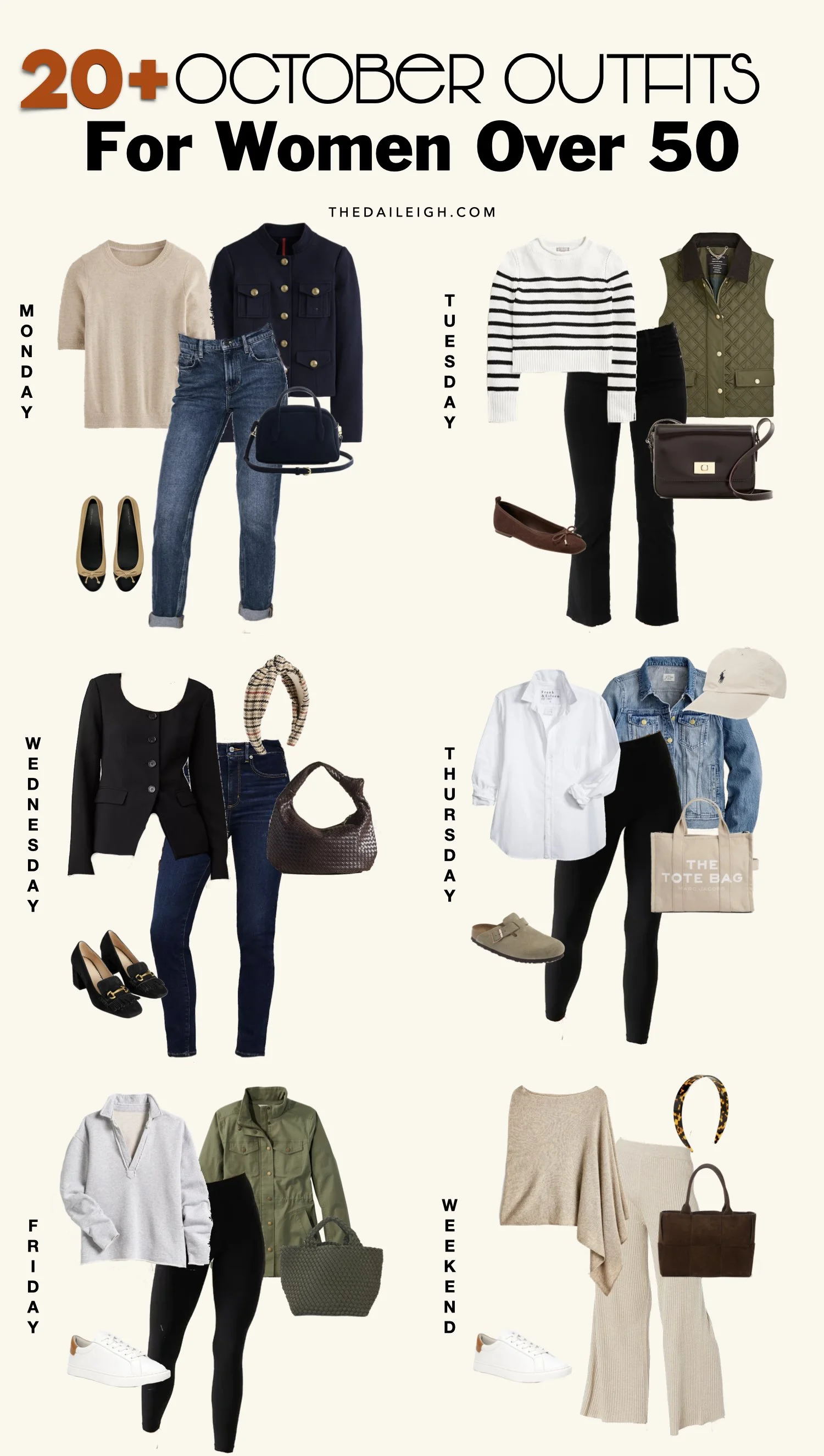
Nail these three and what to wear gets much easier. Most style wins come from basics done right.
Colors
- Pick two neutrals and one accent color for a clean look.
- Match your contrast level to your features. High contrast pops. Low contrast calms.
- Warm skin tones love earthy shades. Cool tones shine in jewel shades.
Fit
- Shoulder seams should sit at the edge of your shoulders.
- Sleeves end at your wrist bone. Pants skim the top of your shoes.
- Tailoring beats trends. Small tweaks change the whole look.
Fabric
- Cotton: soft and easy. Good for daily wear.
- Linen: cool and airy. Wrinkles, which can look relaxed.
- Wool: warm and durable. Great in winter and for suiting.
- Silk: smooth and dressy. Watch for care needs.
- Performance blends: stretch and dry fast. Good in heat or travel.
I keep a handheld steamer near my closet. A two-minute steam changes how clothes fall. It can make budget pieces look luxe.
Accessories and Grooming
Accessories finish what to wear and show care. Aim for simple, useful, and sharp.
Smart add-ons
- Belt that matches shoe tone. Watch or bracelet for polish.
- Clean bag that fits your day. Scarf for color or warmth.
- Subtle jewelry for work. Bolder picks for nights out.
Grooming checklist
- Clean shoes, neat nails, smooth hair.
- Lint roller for dark clothes. Deodorant check.
- Go light on scent in shared spaces.
As a small habit, I set out tomorrow’s outfit the night before. I add one accessory and remove one. The result looks clean and planned.

Building a Capsule Wardrobe
A capsule makes what to wear fast and flexible. It is a set of pieces that mix well.
Steps to build yours
- Audit: Keep what fits well and feels good. Donate the rest.
- Palette: Pick two base colors and one or two accents.
- Gaps: List what you need for work, weekends, and events.
- Fit test: Move, sit, and stretch in each piece.
Starter capsule ideas
- Tops: two tees, one knit polo, two button-downs or blouses.
- Layers: one blazer, one cardigan, one light jacket.
- Bottoms: dark jeans, chinos or trousers, one skirt or extra pants.
- Shoes: clean sneakers, loafers or flats, dress shoes or heels.
- Extras: belt, watch, neutral bag, and a scarf.
Cost-per-wear tip: Buy the best you can for workhorse items. Shoes, coats, and bags pay off fast. Save on trend pieces that may not last.
Carry-on packing list
- Two tops, one light sweater, one dress or extra shirt.
- One pants, one jeans, one skirt or shorts.
- One jacket, two shoes, and underwear for the trip.
- Roll clothes to save space. Use packing cubes.

Common Mistakes and Fixes
These errors make what to wear feel off. The fixes are simple and quick.
Mistake: Wearing the wrong dress code
- Fix: Ask the host or check the invite. When unsure, smart casual is safe.
Mistake: Poor fit
- Fix: Tailor hems and waists. Size up or down as needed.
Mistake: Too many colors or loud prints
- Fix: Use the two-neutrals-one-accent rule. Keep one focal point.
Mistake: Ignoring weather
- Fix: Check the forecast the night before. Prep layers and shoes.
Mistake: Scuffed shoes and wrinkled clothes
- Fix: Clean and steam. It changes the whole look in minutes.
Mistake: Over-accessorizing
- Fix: Remove one item before you leave. Let the outfit breathe.
From my work, the fastest upgrade is better shoes and pressed clothes. People notice those first. They signal respect and care.

Frequently Asked Questions of what to wear
What to wear to a business casual office?
Choose a blouse or button-down with trousers, chinos, or a midi skirt. Add loafers or flats and a blazer if needed.
What to wear to a summer wedding?
Pick a light dress or a breathable suit. Choose linen, cotton, or silk blends, and avoid white unless asked.
What to wear on a first date?
Aim for smart casual with one standout piece. Keep it neat and comfortable so you can relax and be yourself.
What to wear for a job interview?
Wear a suit or sharp separates in dark or neutral tones. Keep shoes polished and accessories simple.
What to wear when it’s raining?
Choose a waterproof jacket, non-slip shoes, and quick-dry pants. Carry a compact umbrella and avoid long hems.
What to wear on a long flight?
Go for soft layers and stretch fabrics. Slip-on shoes and a light scarf make security and temps easier.
What to wear to a funeral?
Wear dark, modest clothes with minimal accessories. Keep the look simple and respectful.
Conclusion
When you align weather, occasion, fit, and your goal, choosing what to wear is easy. Build a small set of mixable pieces, press your clothes, and keep your shoes clean. Use simple outfit formulas for busy days and big moments.
Start tonight by planning tomorrow’s outfit with the four-step checklist. Try one tip from this guide and see how it feels. If this helped, subscribe for more style guides or share a question in the comments.