Start with a clear plan, pick the right path, and manage risk with data.
You’re here to learn how to invest in pickleball the right way. I’ve helped founders, passive investors, and local owners do it well. In this guide, I’ll show you how to invest in pickleball with simple steps, real numbers, and clear examples. You’ll see what works, what to avoid, and where the real upside lives.

The Pickleball Boom: Why This Market Is Ripe for Investors
Pickleball is no fad. It is an accessible, low-cost sport with fast growth. Industry reports show U.S. participation passed 30 million players recently. Growth has been triple-digit over the last few years. That kind of curve attracts capital and creates many entry points.
Why this matters to you:
- Demand feeds revenue for courts, clubs, gear, coaching, and events.
- Media and sponsors follow audience growth.
- Local real estate can be repurposed to meet court demand.
From my own work with small operators, waitlists and court bottlenecks are common. That is a strong signal. If you want to learn how to invest in pickleball, begin by tracking local demand and national trends side by side. Growth is strong, but not uniform. Markets differ by city, climate, and age mix.
How to Invest in Pickleball: Main Paths and Examples
There is no single “best” way. Choose a path that fits your skills, risk, and time. Here are the main options you can mix and match when planning how to invest in pickleball.
Public equities and related plays
You can buy stock in brands that sell paddles, balls, shoes, or athleisure. Some large retailers, sports brands, and lifestyle companies benefit from pickleball sales. You can also look at fitness REITs or leisure firms with exposure. Do your homework. Check segment revenue, growth rates, and supply chain notes in filings.
Private companies and funds
You can invest in emerging brands, tech, or software for bookings and leagues. This path can offer higher upside. It also carries more risk and less liquidity. Ask for unit economics, gross margins, churn, and runway. For how to invest in pickleball at this stage, vet the founder, product-market fit, and repeat buyer data.
Courts, clubs, and real estate
This is a popular move. Convert a warehouse or a big box into indoor courts. Or add courts to existing tennis or fitness sites. Revenue can come from memberships, court fees, lessons, leagues, and food and beverage. Check zoning, noise rules, parking, and ceiling height before you sign a lease. In my experience, strong location and good lighting beat fancy decor.
Franchises and licensing
Some brands offer playbook, support, and a name. This can speed up launch. You will pay fees and share revenue. Study the FDD, ramp assumptions, vendor lock-ins, and marketing support. If you choose this route for how to invest in pickleball, compare two or three systems before you commit.
Events, leagues, and media
Local tournaments, clinics, and amateur leagues can be low-cost and high-margin. Sponsorships, streaming, and merch add lift. If you have a community or content skills, this can be a smart wedge. I’ve seen small local events sell out in days with simple social ads.
Ancillary services
Think coaching, youth programs, corporate team days, and travel meetups. Software for court booking or league scoring can scale. For many readers asking how to invest in pickleball with less capital, these services are a great start.

Step-by-Step: How to Invest in Pickleball With a Simple Plan
Use this plan to go from idea to action. It works for most paths and helps you avoid common traps.
- Define your lane
- Are you hands-on or passive?
- Are you better at real estate, ops, or brand building?
- Validate demand
- Map all courts within 20 minutes of your site.
- Visit at three times: after work, weekend mornings, and late night.
- Track waitlists, pricing, and court turnover.
- Model small and real
- Start with conservative inputs for price, fill rate, and costs.
- Stress test with 20% lower demand and 10% higher costs.
- If it still works, you are closer to green light.
- Line up your team
- Ops lead for schedules and staff.
- Coach lead for programs and clinics.
- Finance lead for bookkeeping and cash control.
- Secure terms you can live with
- Shorter initial lease with options is safer.
- Avoid big upfront fit-out if the landlord can share costs.
- Tie vendor deals to performance where you can.
- Launch, measure, improve
- Watch three numbers weekly: utilization, member churn, and cash on hand.
- Adjust pricing and time blocks based on real use.
- Add leagues and clinics once base play is steady.
How to invest in pickleball well is about steps, not bets. Keep the loop tight. Measure. Learn. Scale.
Returns, Costs, and What to Expect
Numbers vary by city and site. Here is a simple frame to ground your plan.
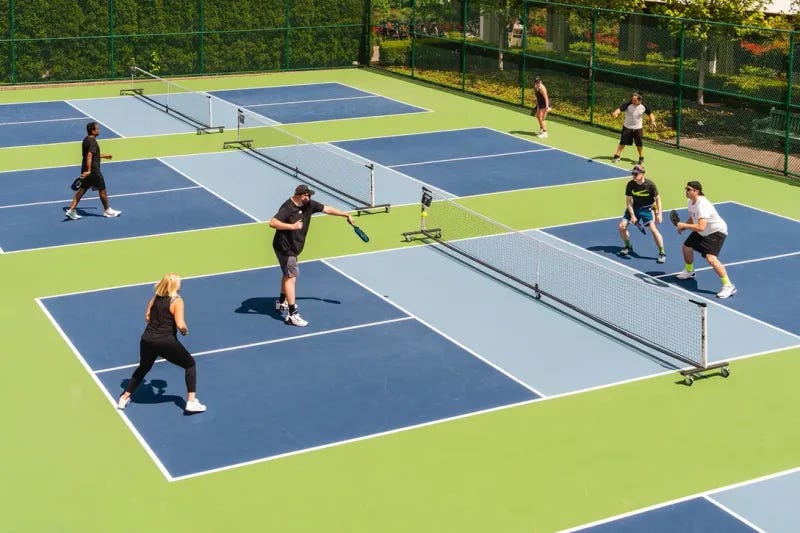
Typical revenue lines for a mid-size indoor club:
- Court time and memberships
- Lessons, clinics, and leagues
- Food, beverage, and small retail
- Events and sponsorships
Key costs you must model:
- Rent and common area charges
- Build-out and nets, fencing, lights, and sound panels
- Staff, coaches, and front desk
- Insurance, software, and marketing
On projects I’ve reviewed, stabilized utilization at 55–70% can work. Lessons and leagues often lift margins. Returns can be strong if your rent is fair and your layout is efficient. That said, do not assume perfect fill rates or unlimited demand. If you plan how to invest in pickleball with honest numbers, you will sleep well.
For product brands and software, focus on margins and repeat use. Good gross margin often sits at 50% or more for quality gear. Churn under 5% monthly is a good sign for SaaS.

Risks, Red Flags, and How to Do Due Diligence
Growth hides mistakes. Good diligence keeps you safe.
Watch these risks:
- Overbuilt local markets with too many courts
- Bad acoustics, which trigger noise complaints
- Seasonality swings in hot or cold climates
- Weak parking or tricky access
- Overreliance on one coach or one sponsor
How to invest in pickleball with care:
- Ask for trailing 12-month numbers, not just projections.
- Visit at off-peak times to spot soft demand.
- Talk to neighbors about noise and traffic.
- Verify permits, insurance, and ADA access.
- Call three customers at random and ask what they love and hate.
For private deals, request cap table, burn rate, and customer cohort data. If a founder cannot share basics, pass. Your best edge is patience.

Legal, Tax, and Deal Structures
Good structure saves money and drama.
Common setups:
- Single-member LLC for solo owners
- Manager-managed LLC with an operating agreement for groups
- SPV for one-off private brand or software deals
Key points to cover:
- Who controls bank accounts and approvals
- Profit splits and preferred returns for investors
- Buy-sell rules if someone wants out
- Insurance: general liability, D&O for companies, and umbrella policies
Tax notes:
- Many clubs choose pass-through entities to avoid double tax.
- Track sales tax on court time, food, and retail as rules vary by state.
- Capital expenses may have bonus depreciation options. Ask a CPA.
When learning how to invest in pickleball, build your advisory bench early. Get a local attorney, a CPA, and a commercial broker who knows your submarket.

Tools, Data, and Ongoing Monitoring
Set up simple systems on day one.
Helpful tools:
- Booking and POS software with clear reports
- A weekly dashboard for utilization, revenue mix, and churn
- Camera or sensor tech for count checks and safety
- Survey tools to catch issues before reviews go public
Your monthly review:
- Trend court use by hour to shape pricing
- Review CAC, LTV, and payback for ads and promos
- Audit refunds and discounts for leaks
How to invest in pickleball over the long run is about rhythm. Keep feedback loops short. Promote what works. Cut what does not.

Frequently Asked Questions of how to invest in pickleball
Is pickleball a good investment right now?
Yes, demand is strong and broad-based. Returns can be good if you pick the right market and manage costs.
How much money do I need to start?
You can start events or coaching with a few thousand dollars. A small indoor club may need six to seven figures for build-out and early losses.
What is the fastest way to test demand?
Run pop-up leagues or clinics at a rented gym. If you fill three weekends fast, that’s a green flag for how to invest in pickleball locally.
Should I buy a franchise or go independent?
Franchises offer speed and support but add fees. Independent gives control and lower costs, but you must build systems yourself.
How do I reduce risk in a club launch?
Negotiate a shorter lease with options. Start with fewer courts and expand. Track utilization weekly and adjust pricing fast.
Can I invest passively in pickleball?
Yes, through private funds, SPVs, or revenue-share deals with clubs. Read the documents and ask for investor updates.
What returns should I expect?
Returns vary by model and market. Use conservative assumptions and look for strong unit economics before you scale.
Conclusion
Pickleball is growing fast, and smart money is early but not rushed. Decide your lane, validate demand, and model simple, real numbers. If you follow these steps on how to invest in pickleball, you can build steady cash flow or gain upside in brands and tech. Start small, learn fast, and scale what proves out. If this guide helped, subscribe for more playbooks, or share your plan and questions in the comments so I can help you refine it.